

Illegal Waste Flows to Low-Income Countries Cause Health, Economic, and Environmental Damage

- Europe and Arabs
- Thursday , 26 February 2026 5:25 AM GMT
New York: Europe and the Arabs
Illegal waste flows cause economic, health, and environmental damage, particularly in low-income countries, while conflicting laws allow criminals to escape punishment. This is according to a new report released Wednesday by the United Nations Office on Drugs and Crime (UNODC). The report was included in the UN Daily News, a copy of which we received Thursday morning.
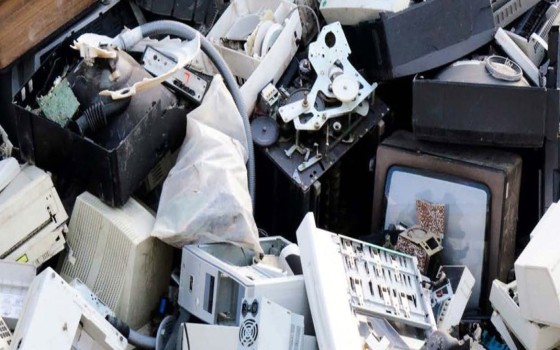
The report highlights five key categories of illicit waste trafficking: electrical/electronic waste, plastic waste, used vehicles and engines, metal waste, and waste mixtures. It also examines the modus operandi of organized crime groups and the companies involved.
The report, titled "Waste Crimes and Trafficking," is a new part of the global analysis of crimes affecting the environment. It concludes that legislative gaps, limited law enforcement capacity, lack of traceability, and low penalties all facilitate a trade estimated to be worth billions of dollars. A formidable challenge
“Our study shows that waste trafficking remains a formidable challenge to detect, investigate, and prosecute,” says Candice Welch, Director of Policy Analysis and Public Affairs at the United Nations Office on Drugs and Crime. “This is not a theoretical challenge; it has serious public health consequences, leading to toxic pollution of drinking water, oceans, soil, and other areas.”
Ms. Welch emphasized that improved communication and data on suspected routes and vulnerabilities in the waste trade chain, along with the standardization of offenses and penalties, are crucial to better predicting, preventing, and stopping illegal waste flows.
Organized crime groups have been shown to be involved in waste crimes worldwide, ranging from local illegal activities to large-scale transnational smuggling operations.
Corporate involvement in waste crimes and trafficking is also common. Some companies fail to comply with regulations, others knowingly obtain illegal services, and still others run parallel illegal operations. “Deceptive Maneuvers”
The analysis indicates that both organized crime groups and corporations use corruption to conceal illegal waste within legal waste channels, circumventing regulatory controls through “deceptive and corrupt maneuvers.” These crimes may include document forgery, extortion, theft, embezzlement, abuse of power, money laundering, and others.
Furthermore, the penalties for trafficking in waste may be significantly lower than the potential profits from a single illegal shipment of e-waste, while the cost of illegally disposing of or trading in waste may be considerably lower than the cost of legal disposal or waste management services, creating strong financial incentives for committing waste-related crimes.
The report also states that the lack of uniform laws and penalties worldwide makes it easier for potential traffickers to choose regions with less stringent laws and lighter penalties. Significant Negative Health Consequences
The study concludes that while the illegal dumping, burning, transportation, shipping, and disposal of waste occurs globally, when it comes to waste trafficking, less valuable and/or more difficult and costly waste to dispose of is transferred from high-income to low-income areas.
This includes plastic and electronic waste, which may contain hazardous materials or harmful chemicals. Since waste is often smuggled into countries with weak environmental waste management systems, this has significant negative consequences for human health and the environment.





No Comments Found