

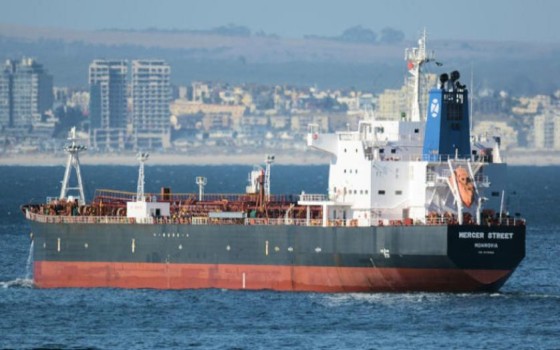
The Impact of Disruptions to Shipping Traffic Through the Strait of Hormuz on Global Trade: Higher Energy Prices, Shipping Costs, and Marine Fuel Costs Ultimately Reflected in Consumer Prices

- Europe and Arabs
- Wednesday , 5 August 2026 9:1 AM GMT
New York: Europe and the Arabs
Disruptions to shipping through the Strait of Hormuz are impacting global trade, including a decline in exports of 12 strategic products. The economic repercussions extend beyond mere cargo shipments.
This was revealed in a report issued by the International Trade Centre (ITC), a joint agency of the World Trade Organization (WTO) and the United Nations Conference on Trade and Development (UNCTAD), as reported in the UN Daily News. The ITC used trade data for April 2026 to analyze the initial supply shock and the reactions of importing markets, which showed a 95% drop in liquefied natural gas (LNG) exports and an 83% decline in urea fertilizer exports.
The report added that recent lulls in the Middle East conflict have raised hopes for a full resumption of shipping. However, it cautioned that traffic remains well below normal levels, and the timing and conditions for a sustained reopening remain uncertain. He noted that Japan, which sourced 91% of its crude oil imports from economies dependent on the Strait of Hormuz, saw its total imports plummet by 64% in April.
Disruption Exposes Fragility
The center explained that the economic impact extends beyond cargo shipments. The United Nations Conference on Trade and Development (UNCTAD) identifies rising energy prices, shipping rates, marine fuel costs, and insurance premiums as key channels through which these disruptions increase production and transportation costs.
It added that rerouting shipping leads to longer delivery times and causes congestion at ports and on alternative transit routes.
It pointed out that these pressures are ultimately reflected in consumer prices, while higher fertilizer costs can impact agricultural production and food prices, particularly in fragile economies heavily reliant on imports.
The center stated that the disruption to shipping through the Strait has exposed the vulnerability of global energy, fertilizer, and industrial input supplies and their dependence on a single maritime transit point.









No Comments Found