

Sudan – Fact-Finding Mission Warns of the Impact of External Interference in the Conflict; Releases Working Paper Titled: "An Unrelenting War: Devastation Inflicted Upon Civilians"

- Europe and Arabs
- Thursday , 29 October 2026 7:17 AM GMT
Khartoum/New York – Europe and the Arabs
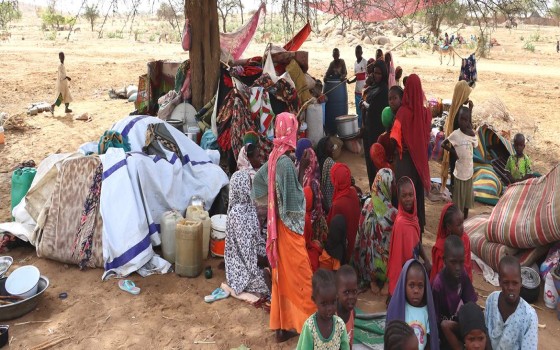
The UN Independent International Fact-Finding Mission for the Sudan has warned of the escalating risks faced by civilians in El-Obeid (North Kordofan State) and across the country. The mission documented the expansion of drone warfare, attacks on critical infrastructure, and intensifying state repression.
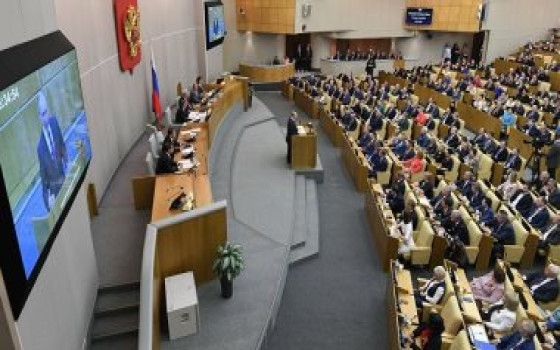
Presenting the mission’s latest findings to the Third Committee of the UN General Assembly—which addresses social, humanitarian, and human rights issues—the mission’s chair, Mohamed Chande Othman, outlined the current situation.
He stated that the mission released a new document today detailing repeated attacks, including drone strikes by the Rapid Support Forces (RSF) on locations in the city of El-Obeid, as well as the creation of an atmosphere of fear and intimidation by the Sudanese Armed Forces (SAF) and their allies.
Regarding the report from the international mission—established by the Human Rights Council—Othman noted that there are reasonable grounds to believe that the external transfer of weapons, military technology, logistical support, and foreign personnel has bolstered the military capabilities of both sides. This has facilitated the increasing use of sophisticated weaponry, particularly long-range drones.
Othman urged the parties fueling the conflict—through the provision of arms, fighters, and military aid—as well as those profiting economically from it, to reconsider the consequences of their actions and to respect international law.
He added that these developments are expanding the geographical scope of the conflict and heightening the dangers faced by civilians. The Situation in El Obeid
He stated: "We have also found reasonable grounds to believe that a transnational network, operating across several countries, has facilitated and bolstered the military operations of the Rapid Support Forces (RSF). Evidence gathered by the mission points to the involvement of individuals and entities operating from the United Arab Emirates, Chad, southeastern Libya, and Puntland (Somalia), who have facilitated the transfer of weapons, drone-related technology, logistical support, and personnel into areas controlled by the RSF—including Nyala (in South Darfur State)."
Addressing UN member states at a meeting of the Third Committee, Osman added that the fact-finding mission discovered that Colombian contractors played a significant role in the push to seize El Fasher a year ago. The mission also identified the presence of foreign fighters from neighboring countries operating alongside the RSF in El Fasher and other areas.
He noted: "Investigations into external support for the Sudanese Armed Forces (SAF) are still ongoing."
The report submitted by the mission to the Human Rights Council in September also found reasonable grounds to believe that the Sudanese Armed Forces utilized foreign-supplied drones in operations that caused harm to civilians and civilian objects.
Osman further stated that the mission has released a working paper titled: "Sudan’s Relentless War: Devastation for Civilians and Escalating Insecurity in El Obeid." The report documents repeated attacks—including drone strikes—by the Rapid Support Forces (RSF) on vital civilian infrastructure. It also describes a climate of fear and intimidation fostered by the Sudanese Armed Forces (SAF) and their allies in the city of El-Obeid, citing allegations of arbitrary detention and intimidation by security actors linked to the SAF.
The report notes that the residents of El-Obeid face grave risks, adding that the persistence of drone attacks, the lack of security, and the strain on civilian infrastructure all heighten the danger of an escalation in the situation there.
Deadly attacks this month
In his remarks, the head of the mission, Mohamed Chande Othman, stated that the month of October has seen some of the deadliest individual attacks across Sudan since the conflict between the SAF and the RSF began on April 15, 2023.
He added that a drone attack carried out by the RSF in Blue Nile State resulted in the deaths of at least 30 displaced persons—including women and children—and left others injured.
He further reported that, on October 10, at least 72 gold miners were killed—reportedly by Egyptian airstrikes—in a mining area near the Egyptian-Sudanese border.
Additionally, on October 19, in and around Abyei—a territory disputed between Sudan and South Sudan—a drone strike, reportedly launched by the Sudanese Armed Forces, killed at least 80 people and left many others wounded. A Year Since the Fall of El Fasher
One year after the Rapid Support Forces (RSF) took control of the city of El Fasher, justice and accountability for the devastation inflicted upon its residents have yet to be realized, according to Othman.
He pointed to a report issued by the mission in February, which detailed crimes committed during and after the attack—including mass killings, the targeting of specific ethnic groups, starvation, and the deliberate imposition of living conditions intended to destroy a particular group, in whole or in part.
The mission stated that the RSF carried out a coordinated campaign of destruction against non-Arab communities in El Fasher and its surrounding areas, noting that the characteristics of this campaign point to the occurrence of genocide.
In his briefing today, Othman stated that survivors remain displaced, many are missing or their fate remains unknown, and entire communities have been destroyed—all while the risk of further atrocities persists.
Justice and Accountability
The head of the fact-finding mission stated that the Sudanese people continue to seek protection, peace, and justice, looking to other nations to translate the relevant legal norms into reality.
He emphasized that the responsibility of states extends beyond their own borders, urging those who exacerbate the conflict—or profit from it economically—to reconsider the consequences of their actions and to respect international law.
"With atrocities being committed daily in Sudan," he said, "it is clear that the future of the people cannot be built on a foundation of impunity." He stressed that accountability must not be limited to the perpetrators alone, but must also encompass those who fund and facilitate the commission of these crimes. He emphasized that establishing a path toward a just and lasting peace in Sudan necessitates providing protection, ensuring the prevention of violations, and upholding accountability for them.





No Comments Found