
Dutch Reactions to the Earthquake that Hit Wilders' Anti-Islam and Anti-Immigrant Party... The Dutch Freedom Alliance is Born from the Populist Party's Womb After the Split.

- Europe and Arabs
- Thursday , 22 January 2026 9:24 AM GMT
Amsterdam: Europe and the Arabs
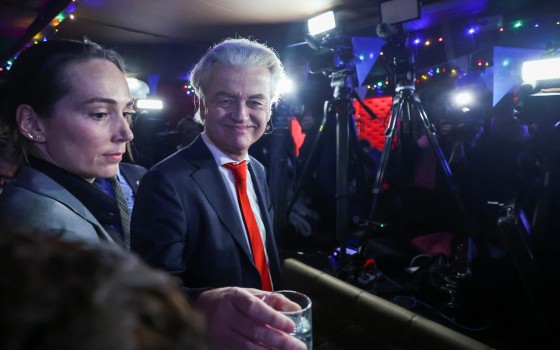
The Dutch newspaper Volkskrant focused on publishing citizens' reactions to the rebellion within one of the largest parties, the Party for Freedom (PVV), led by Geert Wilders, known for his anti-Islam and anti-immigrant stances. Among the reactions was a comment from a citizen about one of the PVV defectors: "We still have Gede Markusauer. The man who couldn't get a ministerial post because he failed a security check. The man who, in parliamentary and committee meetings, brutally describes asylum seekers as exploiters, infiltrators, and rapists." Another person said, "Over the past nineteen years, the PVV has split seven times. The common denominator in all of them is their inability to tolerate the party culture. I find it strange that people split for this reason, because I think you realize from the beginning that you're dealing with a one-man party, without any democracy. However, I wouldn't be surprised if more people turned against this divisive party." In written statements from the Netherlands, Dutch journalist and social activist Noureddine Amrani said, "Gede Markusauer is leading a new parliamentary group in the Dutch House of Representatives (the lower house) after a public split from the Party for Freedom (PVV). Seven MPs broke away from the party following a rebellion against party leader Geert Wilders. The group is currently operating under the name 'Marcusauer Group,' but is working on choosing a permanent name. One of the options being considered is 'Dutch Freedom Alliance.' The internal crisis within the PVV came as a surprise and has immediate consequences in parliament. Wilders reacted angrily, describing the developments as 'a black day for the PVV,' saying, 'I didn't think this would happen, it's painful,' and 'a black day in our party's history.' Markusauer will become the leader of the new parliamentary group, while Heide Hooitink, the former PVV campaign manager, will serve as vice-chair. According to Markusauer, the group currently has seven MPs. He doesn't rule out the possibility of this number changing, saying, 'Everyone is welcome.' However, he downplays the significance of size, commenting, 'It could become The number is also five members.” The split was immediately apparent during the weekly votes, as the “Marcusauer group” took one of the seats in the chamber previously occupied by Freedom Party members, while the remaining party members gathered in the other. The new bloc had to participate immediately in the voting on the dozens of motions on the agenda. For now, the group is still voting in the same manner as the Freedom Party. This is what Markusauer said before the votes began. In doing so, they are trying to maintain calm in daily parliamentary practice while behind the scenes they work to define their political position. Notably, the new bloc is giving itself political space. Markusauer says he is open to any possible cooperation with the anticipated minority government coalition. This represents a clear shift in direction compared to the rigid line that prevailed in the Freedom Party. This open stance could affect the balance of power in parliament. With seven seats, the bloc is small, but in a fragmented parliament, every vote can be decisive. And certainly, in a minority government, the support of a new, independent bloc could make a difference. The difference.
Marcosauer officially informed the Speaker of the House of Representatives, Tom van Kampen, of the split. The new bloc thus became a formal reality, and the speed with which this matter was handled reflects the group's readiness for an independent path.
The proposed name, "Dutch Freedom Alliance," indicates an attempt to distance itself from the Party for Freedom (PVV) brand without completely abandoning its ideological platform. It signals to voters and other parties that the group wants to present itself as an independent player.
In a television interview broadcast on the Dutch channel ANZ's daily talk show, the new leader of the breakaway party, Geert Wilders, confirmed that he would not abandon the party's program, particularly regarding its stances on immigration and Muslims in the Netherlands. This underscores the radicalism of the new-old party in pushing through its extremist ideological project, respecting the votes it received in the last parliamentary elections. Just two days ago, the populist party led by the far-right Geert Wilders suffered a major blow when members of parliament announced their immediate departure from the party, expressing their dissatisfaction with its management style, recent election defeats, and the leader's policies on various issues. Several factors contribute to the party's decline, particularly given its close ties to Geert Wilders, who dominates the party and holds all the keys to political and financial decision-making, allowing no interference from anyone else in party affairs.
Adding insult to injury was the way Geert Wilders managed his parliamentary election campaign last fall. The seven members of parliament blamed their leader for shirking his responsibilities during the televised party debate, his subdued appearances, and his cancellation of numerous radio interviews without consulting other members. Therefore, they hold him responsible for the poor results and the loss of 11 seats to other parties.
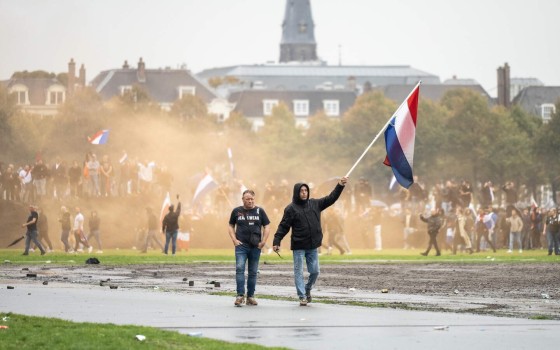
Political analysts and media figures believe this rebellion could signal the decline of the party, especially since Geert Wilders controls every aspect of its operations and doesn't tolerate any challenge to his authority, even from his closest associates. Personally, I consider what happened a sign of the decline of this faction, which has created numerous problems in Dutch society, sowing hatred and animosity that have often led to clashes that have shaken the foundations of the state. "The Dutch" to demonstrate in several cities and villages across the kingdom against the presence of immigrants and political asylum seekers
Similarly, attacks on constitutional institutions, such as questioning the first chapter of the Dutch constitution concerning equality for all members of Dutch society, and disregarding the decisions of mayors and village councilors, have led to an increase in violence and threats that legal guardians and mayors continue to face due to the growing skepticism towards legal institutions and attacks on the independence of the judiciary.
Will Dutch society calm down from these upheavals plaguing this anti-immigrant party, particularly against Muslims, or is this a political ploy to gain more supporters, especially with municipal and by-elections just around the corner?





No Comments Found