

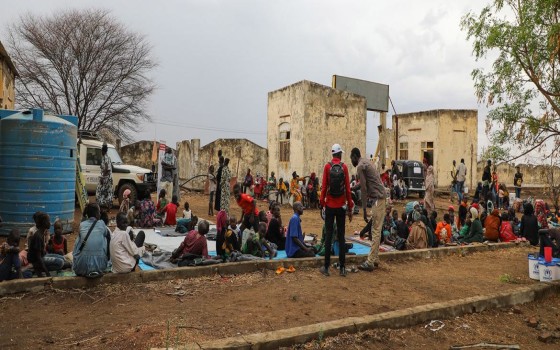
Sudan – Famine conditions persist, and some 34 million people will need aid in 2026

- Europe and Arabs
- Friday , 6 February 2026 9:20 AM GMT
Khartoum – New York: Europe and the Arabs
The Integrated Food Security Phase Classification (IPC) has issued an urgent alert warning of a catastrophic escalation of the food and malnutrition crisis in Sudan. With the ongoing conflict and restrictions on aid, some 33.7 million people (two-thirds of the population) are expected to require assistance in 2026. This was reported in the UN daily news bulletin, a copy of which we received Friday morning, which added the following under the heading:
Key Developments in the Humanitarian Situation:
Famine Spreads: Following the declaration of famine in El Fasher and Kadugli, two additional areas in North Darfur (Um Buru and Karnoi) have crossed famine thresholds. Um Buru has recorded a malnutrition rate of 52.9%, nearly double the famine threshold.
Displacement and Food Crisis: Fighting has displaced 9.6 million people, while more than 21 million face high levels of acute food insecurity as a result of attacks on markets and supply routes.
Worsening Malnutrition: Acute malnutrition cases are projected to rise to 4.2 million in 2026, with an additional 20 areas in Darfur and Kordofan at imminent risk of famine.
Collapse of Services: More than a third of health facilities have ceased functioning, amid administrative and security obstacles preventing aid delivery and a severe shortage of international funding.
Is Famine Still Present in Sudan?
A previous Integrated Food Security Phase Classification (IPC) analysis predicted that famine would persist in El Fasher and Kadugli until January 2025. However, this does not mean that famine conditions have ended.
Given the evolving situation in these areas and the latest available data, it is highly likely that famine conditions persist.
Urgent Demands:
The initiative called for the following steps:
Ending hostilities and protecting civilians and safeguarding food, water, and sanitation systems.
Ensuring safe and sustained humanitarian access.
Providing immediate and unhindered life-saving assistance. Allocate sufficient funding across humanitarian sectors and mutual assistance mechanisms to avert catastrophic consequences and further loss of life.
Ensure the availability of information systems to enable timely monitoring and assessment of the population's situation.
What is an Integrated Food Security Phase Classification (IPC) alert, and how does it differ from an Integrated Food Security Phase Classification (IPC) analysis?
According to IPC protocols, an alert does not classify areas or provide population estimates, nor does it constitute a famine classification. Rather, it urgently draws attention to food security and nutrition crises based on the latest available evidence to call for immediate action.
This alert for Sudan is based on information available up to 27 January and highlights the deteriorating humanitarian situation, following the IPC analysis published in November 2025, which classified famine (IPC Phase 5) in El Fasher and Kadugli and warned of the risk of famine in 20 areas of Greater Darfur and Greater Kordofan. Since then, two additional areas in North Darfur have crossed famine thresholds with regard to acute malnutrition, and the conflict in North and South Kordofan has intensified, creating increasing challenges in reaching besieged or isolated populations and towns, such as El Obeid, Dilling, and Kadugli.







No Comments Found