
Wars in the Middle East have exposed a fundamental weakness in the global economy: its reliance on fossil fuels. It is time to shift to cheaper and more sustainable renewable energy sources.

- Europe and Arabs
- Saturday , 4 April 2026 5:54 AM GMT
New York: Europe and the Arabs
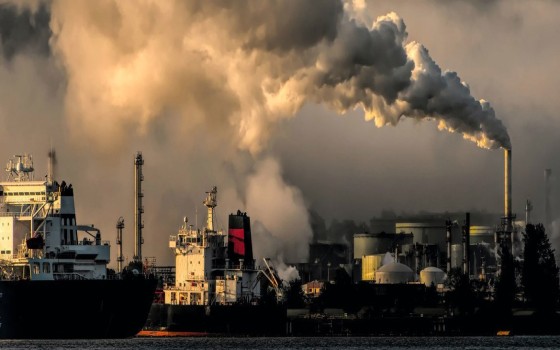
The ongoing crisis in the Middle East has exposed a fundamental vulnerability in the global economy: its reliance on fossil fuels flowing through conflict-ridden regions. This situation reinforces the United Nations' calls to accelerate the transition to cheaper and more resilient renewable energy sources.
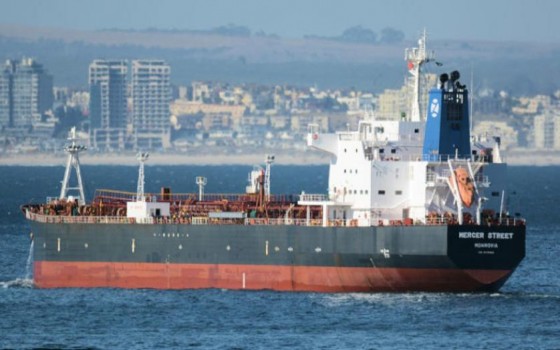
The Strait of Hormuz, through which a fifth of the world's oil and gas supply passes, has been closed to maritime traffic since the outbreak of conflict more than a month ago between the United States, Israel, and Iran.
The disruption to supplies has reduced access to the fossil fuels that countries need for energy production, causing prices to soar and global markets to turmoil, according to a report included in the UN Daily News, a copy of which we received by email. The UN emphasizes that the near-total closure of the strait highlights a crucial issue: energy security is no longer just about supply availability, but also about resilience and the ability to find alternative energy sources in an increasingly turbulent and unstable world.
Why does this matter? Concern about fossil fuel use has traditionally been linked to climate change, given the warming effects of the gases emitted when these fuels are burned. However, the focus has now shifted more towards energy security.
UN Secretary-General António Guterres stated earlier this year that "in this age of war, our addiction to fossil fuels is destabilizing both the climate and global security."
The Impact of War
Since the outbreak of war in the Middle East, it has become increasingly clear that:
Vitual oil and gas supplies are concentrated in conflict-prone areas.
Transport routes can be disrupted by military escalation.
Price volatility spreads rapidly across economies.
The Big Picture
As countries continue to rely on fossil fuels to meet the daily needs of their citizens and drive economic growth, they are more vulnerable than ever to sudden supply disruptions.
With increasing energy demand, establishing stable and strategic relationships with other countries to ensure a continuous energy supply is crucial. In February of this year, the Secretary-General stated that "three-quarters of humanity lives in net importers of fossil fuels, dependent on energy resources they do not control and at unpredictable prices."
He also warned of the risk of development budgets being drained by fuel bills, leaving them perpetually vulnerable to geopolitical instability and supply disruptions. He emphasized that "we must stop treating the transition away from fossil fuels as taboo."
The Promise of Renewable Energy
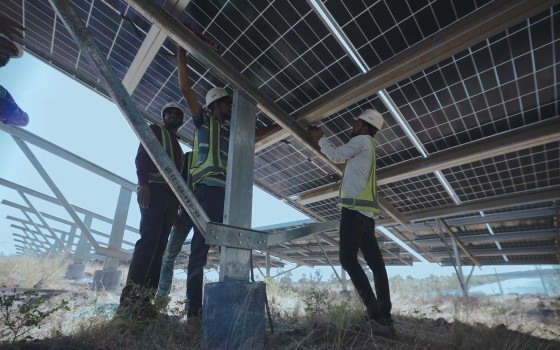
One solution to mitigate the crises and chaos caused by limited access to fossil fuels is to shift towards renewable energy sources such as solar, wind, and hydropower. These sources offer a fundamentally different model for energy provision, characterized by wider accessibility and potentially lower costs.
Renewable energy is often sourced locally and produced within national borders, making it less susceptible to global disruptions triggered by geopolitical crises. Simon Steel, Executive Secretary of the United Nations Framework Convention on Climate Change, emphasized earlier this year that “renewable energy is the clearest and least expensive path to energy security and sovereignty, protecting countries and their economies from the shocks of war, trade disruptions, and ‘power play’ policies that ultimately impoverish all nations.”
A path already underway.
The shift from fossil fuels to renewable energy has already begun.
Kenya, in East Africa, has become a global leader in renewable energy, particularly geothermal energy, generating the vast majority of its electricity from renewable sources.
Chile, in South America, is one of the world’s fastest-growing renewable energy markets, having abandoned coal-fired power generation and instead expanding its use of solar and wind power, taking advantage of favorable natural conditions in regions like the Atacama Desert. India, for its part, has focused on expanding its solar and wind energy infrastructure and has worked to integrate renewable energy sources into its national development and electrification strategies, although it still relies heavily on oil and gas, which are typically transported through the Strait of Hormuz from Gulf countries.
The Power of the People
While energy security is a growing geopolitical issue that sovereign states must address, it is also a deeply personal one, affecting the lives of families and individuals worldwide as people face high energy bills and a general rise in the cost of living.
According to the United Nations, renewable energy sources are often cheaper than coal, oil, or gas, which can directly contribute to lower electricity costs for households.
Renewable energy sources can also protect populations from future price hikes by providing more stable and cheaper energy directly to local communities.





No Comments Found