
More than half of Sudan's population needs urgent assistance... WHO warns: The country is currently facing one of the world's most serious humanitarian emergencies.

- Europe and Arabs
- Sunday , 5 April 2026 6:40 AM GMT
Khartoum – Geneva: Europe and the Arabs
The Director-General of the World Health Organization (WHO), Dr. Tedros Adhanom Ghebreyesus, warned that Sudan is currently facing one of the world's most serious humanitarian and public health emergencies, with more than 33.7 million people – over half the country's population – in urgent need of life-saving assistance. According to the UN Daily News, in a statement issued over the weekend, Dr. Tedros urged the international community not to ignore Sudan, noting that the ongoing conflict has pushed the health system to the brink of collapse, and that recent attacks targeting medical facilities have further exacerbated the crisis.
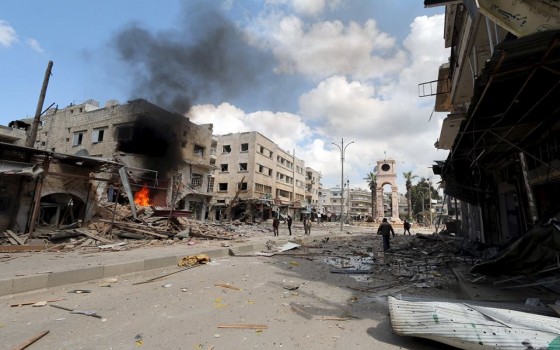
He reported that on March 20, a drone strike on Al-Daein Teaching Hospital in East Darfur killed at least 64 people, including patients and medical staff, and injured 89 others. He said that just a few days later, on April 2, another drone attack targeted Al-Jabalain Hospital in White Nile State, killing 10 medical and administrative staff, including the hospital director—who was killed while performing surgery—and injuring 22 others.
He added that on the same day, the Family Hospital in Al-Daein was looted, and patients and healthcare workers were assaulted and expelled from the facility, forcing it to suspend operations.
He also said that on March 25, a hospital in Kurmuk, Blue Nile State, was looted and its equipment destroyed, and staff and patients were forcibly evicted, resulting in one staff member being critically injured.
The WHO Director-General stressed that these incidents serve as a stark reminder of the urgent need for renewed international solidarity and decisive political and humanitarian action; Sudan cannot face this crisis alone. A few days ago, the United Nations welcomed the announcement that the Adré border crossing in Chad would remain open for humanitarian aid and access for humanitarian workers to Sudan until the end of June.
The Adré crossing is a lifeline for millions of people in Darfur, as well as parts of South Kordofan. Since the beginning of 2024, more than 118,000 metric tons of vital aid have crossed through this crossing – enough for more than 3 million people, according to UN spokesperson Stéphane Dujarric.
Dujarric told the daily press briefing that this is particularly critical given warnings from humanitarian workers that escalating violence and displacement are pushing humanitarian needs to unprecedented levels.
In Blue Nile State, for example, the conflict triggered new waves of displacement in March. Local sources indicate that at least 4,000 people have fled to Ethiopia, while others have been displaced within Blue Nile State itself. Dujarric said the UN is working with its partners to scale up the humanitarian response, with the Sudanese Red Crescent Society providing hot meals to newly arrived families in displacement camps.
Alarming levels of sexual violence in Darfur
In Darfur, a recent report by Doctors Without Borders highlighted alarming levels of sexual violence against women and girls, both in conflict zones and in displacement sites. The report’s findings indicate widespread abuse, underscoring the urgent need to ensure accountability and strengthen medical, psychosocial, and social support for those most in need.
North Kordofan State is experiencing a significant increase in measles cases in displacement sites in El Obeid, the state capital, with hundreds of suspected cases reported in recent weeks.
Dujarric said the UN and its partners are working to provide water, health, and nutrition services, with plans to launch a comprehensive vaccination campaign in April. Obstacles Hindering the Fulfillment of Missions
According to Mr. Dujarric, the United Nations faces obstacles hindering its mission, including a lack of funding, dwindling water availability, the influx of new displaced people, and delays in obtaining the necessary approvals for the establishment of new health facilities and services.
The 2026 Humanitarian Response Plan requires $2.9 billion to reach more than 20 million people across Sudan. However, the plan has received only 16 percent of the required funding, with total contributions received amounting to $461 million.
The United Nations has called on donors to increase their assistance to ensure that life-saving aid reaches the millions of people who depend on it for their survival.





No Comments Found