

European Drug Report: New Health Risks Facing Europeans in a Rapidly Changing Drug Market

- Europe and Arabs
- Wednesday , 10 June 2026 5:19 AM GMT
Lisbon – Brussels: Europe and the Arabs
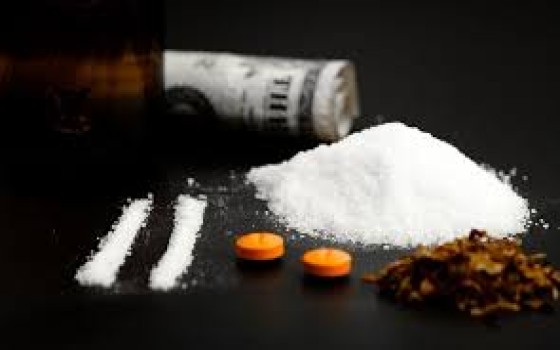
Drug users in Europe face new health risks as drug markets rapidly evolve and become increasingly complex. This warning comes from the European Union Drugs Agency (EUDA) in its annual report, "European Drug Report 2026: Trends and Developments," a copy of which we received via email. Based on data from 29 countries (the 27 EU member states, Norway, and Turkey), the report highlights the public health risks posed by the availability and use of a growing variety of substances, often highly potent or purified. New cannabis products continue to emerge, while the range of opioids and stimulants sold is expanding. Multidrug use is also becoming increasingly common, with users combining different types of drugs in ways that increase risks and complicate treatment responses. Europe's ability to address these complex challenges depends on strengthening service delivery systems and sustaining investment in prevention, treatment, harm reduction, and social reintegration.
New psychoactive substances continue to be discovered at a rate of approximately one per week. In 2025, 50 new psychoactive substances were reported for the first time in Europe, bringing the total number of substances identified by the European Drug Control Service (EDS) to 1,050. Among these are new, highly potent synthetic opioids, which pose an increasing risk of life-threatening poisoning.
In addition to the health damage and social vulnerability they cause, the report underscores the continued impact of drug markets on Europe’s security. Drug-related intimidation and violence remain a concern, including the exploitation and recruitment of vulnerable young people by criminal groups for drug trafficking and acts of violence.
At the same time, smuggling networks are rapidly adapting to law enforcement efforts. Following increased security operations at major European ports, criminals have diversified their methods and tactics to evade capture. They are increasingly using smaller ports, transshipment at sea using speedboats and other vessels, as well as semi-submersible submarines, drones, and sophisticated camouflage techniques. These developments make detecting smuggling more difficult and place a greater burden on law enforcement and customs authorities.
The EU’s new anti-drug strategy and action plan against drug trafficking, along with proposed new rules for monitoring and controlling drug precursors, are part of a comprehensive EU response to the growing drug problem.
“The European Drug Report reveals the human cost of drug abuse, with the latest annual statistics showing at least 7,600 overdose deaths,” says Magnus Brunner, European Commissioner for Migration and Home Affairs. “We must do everything we can to prevent dangerous new products from flooding the market and use the full force of the law to deprive illicit traffickers of their business model. Through the EU Early Warning System, we are detecting emerging trends early. With our anti-drug trafficking action plan, we have provided European authorities with clear guidance, and by strengthening international cooperation, we are building a global front against this criminal trade.” Dr. Lauren Nolan, Executive Director of the European Drug Control Service, adds: “Drug markets are evolving rapidly, and the variety of substances on Europe’s streets is becoming increasingly unpredictable. This increases the risks: people may be using highly potent drugs, often unknowingly. The hard facts are more important now than ever. The European Drug Report provides the evidence needed to ensure policymakers, practitioners, and communities are well-prepared.” Meanwhile, the European Drug Control Service is strengthening its monitoring and preparedness systems to better protect European citizens and support effective responses. A balanced approach is essential, addressing both supply and demand. In addition to being scientifically grounded, this approach must also prioritize human rights and public health.
According to media reports in Brussels last year, from major shipping ports to the streets and cities, drug trafficking and use are growing at an unprecedented rate within the European Union, prompting authorities to intensify their efforts to combat this scourge and the criminal networks behind it. Statistics indicate that 70% of drugs seized by customs authorities are confiscated at EU ports, where large quantities of cocaine, in particular, are discovered inside shipping containers.
In 2023, more than 22 million adults in Europe reported using cannabis, making it the most widely used illicit drug in the 27 member states. Cocaine came in second, according to the European Union Drugs Agency (EUDA).
In 2022, 84,000 cocaine seizures were recorded in EU countries, totaling 323 tons, up from 303 tons in 2021, marking the sixth consecutive year of increase. Seizures in Belgium (111 tons), the Netherlands (51.5 tons), and Spain (58.3 tons) accounted for 68% of the total amount seized. The data reveals a widespread use of cocaine among young people, with around 2.5% of young adults in the European Union reporting their use in the preceding year, according to the Organisation for Economic Co-operation and Development.





No Comments Found