
World Health Organization: Vaccines Saved More Than 150 Million Lives and Protected Against Polio, Measles, and Pertussis

- Europe and Arabs
- Tuesday , 28 April 2026 5:57 AM GMT
Geneva – New York: Europe and the Arabs
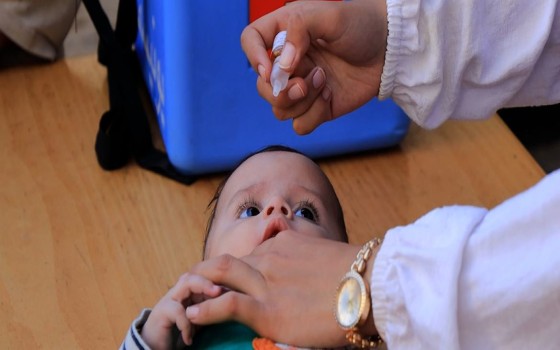
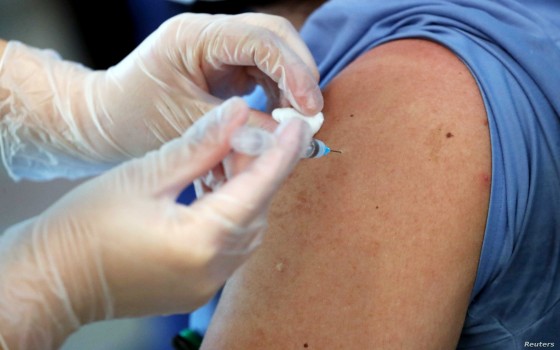
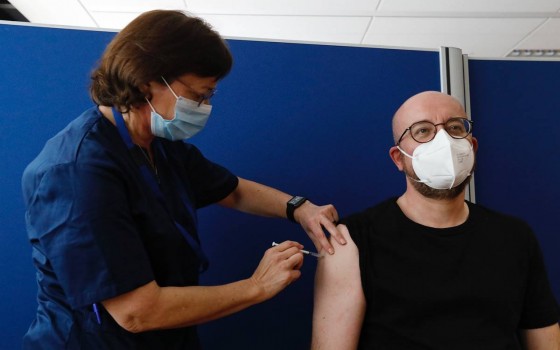
Over the past 50 years, vaccines have saved the lives of more than 150 million people, thanks to ordinary people choosing to protect themselves, their children, and their communities from diseases such as measles, diphtheria, pertussis (whooping cough), and polio.
During World Immunisation Week 2026, from April 24 to 30, the World Health Organization (WHO) and its partners are highlighting the benefits of vaccines at every stage of life, as well as the scientific breakthroughs that have led to the development of proven and reliable vaccines to prevent malaria, human papillomavirus (HPV), cholera, dengue fever, meningitis, respiratory syncytial virus (RSV), Ebola, and monkeypox (mpox).
This year marks the halfway point of the 2030 Agenda for Immunisation, a global initiative led by the WHO to ensure that everyone has access to life-saving vaccines. A report assessing progress showed that, despite unprecedented challenges—including the COVID-19 pandemic, geopolitical instability, climate disruptions, and limited funding—immunization efforts over the past five years have averted millions of deaths.
However, most targets remain off track, with persistent gaps in routine coverage, equitable access to vaccines, and disease outbreak prevention across many countries.
The UN agency called for renewed commitments to building more sustainable national programs, strengthening integration with primary healthcare services, and prioritizing these efforts by global health agencies and relevant partners. Significant Results for Children
The World Health Organization (WHO), along with UNICEF and Gavi, the Vaccine Alliance, announced that the “Great Catch-Up” initiative—a historic international effort to address the decline in immunization rates caused primarily by the COVID-19 pandemic—has reached approximately 18.3 million children aged one to five years in 36 countries since its launch in 2023.
The campaign has also provided 23 million doses of inactivated polio vaccine (IPV) to unvaccinated or undervaccinated children, a crucial step towards achieving polio eradication.
The initiative is expected to remain on track to reach its goal of vaccinating at least 21 million children.
How can we ensure the safety of the vaccine?
Before any vaccine is made available in any country, it undergoes rigorous and thorough testing.
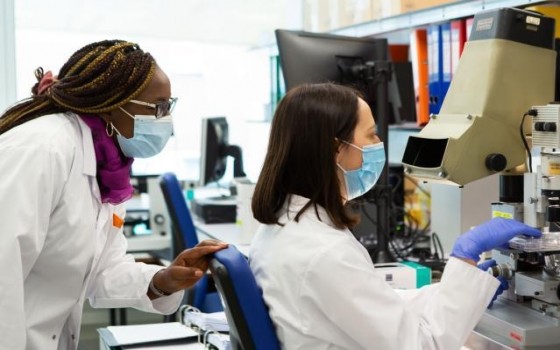
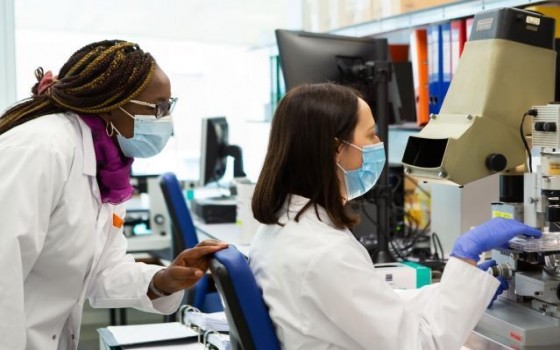
If the laboratory results are positive, the manufacturer is then eligible to apply for clinical trials. These trials typically involve several thousand healthy volunteers who receive the vaccine and are closely monitored by the relevant national regulatory bodies.
Once vaccines are rolled out and used, the relevant authorities continue to monitor them continuously to identify and respond promptly to any potential concerns.
In the event of an adverse event, details are collected, and an independent group of experts then assesses whether the event is related to the vaccine or caused by other factors.
The World Health Organization (WHO) was founded on April 7, 1948, and is headquartered in Geneva, Switzerland. It has six regional offices and 150 field offices worldwide. This date is celebrated annually as World Health Day to reaffirm its mission of promoting global public health. The idea for the organization originated during the United Nations Conference in San Francisco in 1945, where representatives from Brazil and China proposed the creation of an international body specializing in health matters. Mission and Objectives
The WHO aims to achieve the highest possible level of health for all the world's population, defining health as "a state of complete physical, mental, and social well-being and not merely the absence of disease or infirmity." Its main tasks include:
Combating and promoting the control of epidemic and endemic diseases.
Developing health research programs and setting international standards for biological products and health services.
Providing technical assistance to countries and monitoring and evaluating health trends.
Promoting public health education and training and improving medical treatment for diseases.
Organizational Structure
The highest authority in the WHO is the World Health Assembly, which is responsible for making key decisions, while the 34-member Executive Board oversees the implementation of policies and recommendations.
Initiatives and Programs
The WHO is involved in global initiatives to combat diseases such as COVID-19, working to accelerate the development and equitable distribution of tests, treatments, and vaccines. The WHO also recognizes the importance of traditional and complementary medicine in promoting global health and well-being.
Global Role
The WHO is the directing and coordinating authority on health within the United Nations system, working to ensure equitable access to essential health care services and to address transboundary health risks collectively.



No Comments Found