
Israeli Weapons in Morocco Behind Algeria's Military Calculations Brussels: Europe and the Arabs

- Europe and Arabs
- Sunday , 28 June 2026 8:48 AM GMT
Brussels: Europe and the Arabs.
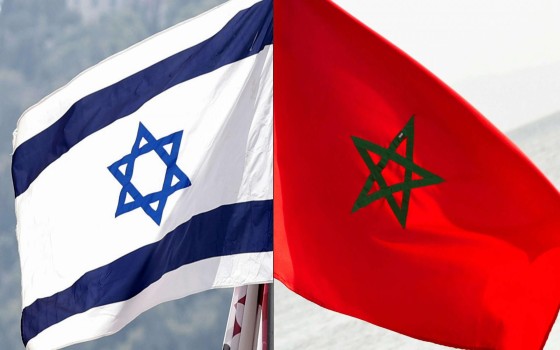
The Israeli newspaper "The Jerusalem Post" published an analytical report by Moroccan writer Amin Ayoub, known for his pro-Israel stances, observing what he describes as a "qualitative shift" in the balance of power in the Maghreb.
The report states that the developing relations between Tel Aviv and Rabat have resulted in the transfer of unprecedented defense technology to the latter, prompting Algeria to increase its military spending to keep pace with this development.
The writer begins his analysis by referring to an unusual question posed to the Spanish parliament in late May by members of the far-right Vox party, regarding Madrid's preparedness to respond to a potential Moroccan attack using "SpyX" suicide drones, designed in Israel and currently manufactured in Morocco. According to a recent press report published by the Brussels-based European news network Euronews, the question, while primarily intended to pressure Pedro Sánchez's government regarding its rapprochement with Rabat, is seen by Ayoub as a "measuring tool" for strategic shifts. He argues that the preoccupation of a NATO parliament with defense calculations against Israeli weapons produced via the Strait of Gibraltar signifies that the transfer of defense technology has transcended diplomacy and is reshaping the regional balance of power.
Defense Spending
Ayoub believes there is a clear divergence in the defense spending philosophies of Rabat and Algiers, countries historically enmity. Morocco has adopted a qualitative modernization strategy, allocating $17.1 billion to developing advanced technology and establishing a local defense industry through partnerships with Israeli companies, including Bluebird Aero Systems. In contrast, Algeria allocated $24.5 billion to the military, reflecting a continued rise in the military budget since 2023, when it jumped from $18 billion to the aforementioned figure. This amount represents approximately 20.6% of the national budget and 9% of GDP, exceeding the combined budgets for education and health.
Algerian authorities attribute this spending to three main factors:
The extensive security belt, as its land borders stretch for approximately 4,900 kilometers with unstable countries in the Sahel and Libya, necessitating enhanced capabilities to combat terrorism and smuggling.
Modernizing the arsenal by revitalizing local industry and reducing reliance on imports, especially given the decline in Russian production due to the Ukrainian war.
Keeping pace with technological advancements in warfare, particularly in the areas of air and cyber defense.
However, this spending is generating internal debate regarding its social priorities, as well as questions about financial oversight of military budgets in light of past corruption cases. However, the 2026 Global Firepower ranking shows the Algerian army as the second strongest in Africa and 27th globally, within the African "military quintet" alongside Egypt, Nigeria, South Africa, and Ethiopia.
Moroccan Drones
On the Moroccan side, the Israeli company Bluebird Aero Systems opened a facility in Casablanca to produce the SpyX suicide drone, the first of its kind in North Africa outside of Israel.
These drones have a range of 50 kilometers and a dive speed exceeding 250 km/h. Moroccan engineers trained in Israel oversee their assembly. They are part of a multi-layered defense system that includes Israeli, Chinese, French, and American systems, reflecting the diversity of Morocco's defense partnerships.
The author argues that the Moroccan army has transformed in five years from a conventional force to a sophisticated, multi-domain combat structure, relying on American systems integrated with Israeli technology. Ayoub asserts that Washington views this path as a strategic opportunity that should be invested in. Morocco and Israel signed a military cooperation plan for 2026 in January, with Israeli officials now describing Morocco as Israel’s most important security partner on the African continent.



No Comments Found