

السودان: بيان للاتحاد الأوروبي بشأن تصاعد العنف وتهديد قوات الدعم السريع لنصف مليون من المدنيين في ىشمال كردفان .. ومنظمة الصحة العالمية تحذر من تفش جديد للكوليرا

- Europe and Arabs
- السبت , 11 يوليو 2026 6:5 ص GMT
الخرطوم ـ بروكسل : اوروبا والعرب
يشعر الاتحاد الأوروبي بقلق بالغ إزاء الوضع في الأبيض، عاصمة شمال كردفان. إذ يُهدد حشد عسكري كبير من قِبل قوات الدعم السريع المدينة التي تأوي حاليًا 500 ألف مدني، من بينهم نحو 100 ألف نازح. بحسب بيان صدر في بروكسل عن مكتب منسقة السياسية الخارجية والامنية كايالا كالاس واضافت ممن ىخلال البيان "يجب على قوات الدعم السريع أن توقف فورًا جميع العمليات العسكرية في الأبيض ومحيطها التي تُعرّض المدنيين للخطر. لا يمكن أن تتحول الأبيض إلى فاشر أخرى.
يجب على جميع أطراف النزاع احترام القوانين الدولية الإنسانية وقوانين حقوق الإنسان، بما في ذلك حماية المدنيين، ولا سيما النساء والفتيات، والبنية التحتية المدنية، احترامًا كاملًا.
أي هجوم يستهدف السكان المدنيين، أو يمنع مرورهم الآمن، أو أي عمل يعرقل عمدًا وصول المساعدات الإنسانية إلى المحتاجين، يُعد انتهاكًا للقانون الدولي الإنساني، وسيدفع الاتحاد الأوروبي إلى النظر في اتخاذ تدابير صارمة ضد المسؤولين عنه.
يحث الاتحاد الأوروبي جميع الجهات الفاعلة الأجنبية، وفقًا لالتزاماتها في مبادئ برلين، على الإنهاء الفوري لأي دعم مباشر أو غير مباشر يُسهم في استمرار النزاع وتفاقمه.
ويدعو الاتحاد الأوروبي جميع أطراف النزاع إلى العودة إلى المفاوضات من أجل وقف دائم لإطلاق النار، وضمان وصول المساعدات الإنسانية بشكل سريع وآمن ودون عوائق، وبمبدأ، ومستدام، ودعم عملية سياسية مدنية بقيادة سودانية تُفضي إلى استعادة الحكم المدني، واستعادة المساءلة واحترام القانون الدولي.
وبصفته عضوًا في المجموعة الخماسية، يؤكد الاتحاد الأوروبي مجددًا التزامه تجاه الشعب السوداني، وسيواصل دعم الجهود الرامية إلى إنهاء المعاناة، وتعزيز العدالة والمساءلة، وإحلال السلام في إطار انتقال سلمي بقيادة سودانية إلى الحكم المدني.
ياتي ذلك بعد ان أودى تفش جديد لمرض الكوليرا في السودان بحياة أكثر من 100 شخص، ما يزيد المخاوف بشأن الفئات الأكثر عرضة للخطر، ولا سيما في مدينة الأبيض المحاصرة، حيث تواصل الهجمات اليومية بالطائرات المسيّرة عرقلة وصول المساعدات الإنسانية.
وقال الدكتور شِبل صهباني، ممثل منظمة الصحة العالمية في السودان: "عادت الكوليرا إلى الظهور، وهي تؤثر على عدة ولايات، ولا سيما في الجزء الغربي من البلاد، في دارفور وكردفان".
وخلال حديثه للصحفيين في جنيف، الجمعة، أفاد المسؤول الأممي بتسجيل أكثر من 1330 حالة إصابة مؤكدة و114 وفاة جراء المرض، الذي يمكن الوقاية منه لكنه قد يكون قاتلا إذا لم يُعالج بسرعة.
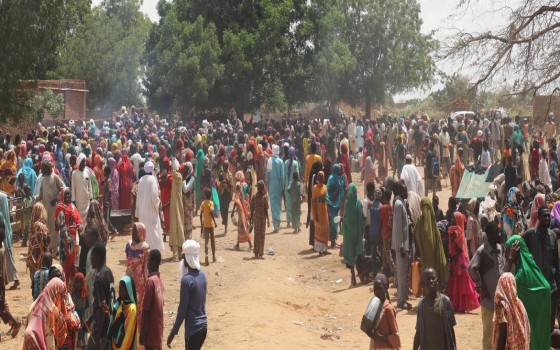
وأشار إلى أن العدد الحقيقي للوفيات قد يكون أعلى بكثير، موضحا أن وكالات الإغاثة تشعر بقلق بالغ من احتمال انتشار المرض بين مئات الآلاف من الأشخاص الذين فروا من البلدات والمناطق الريفية في شمال كردفان.
قابلية متزايدة للإصابة بالأمراض
وأوضح الدكتور صهباني أن معدل الوفيات بين المصابين بالكوليرا يبلغ حاليا "مستوى مرتفعا للغاية" يصل إلى 13.7 في المائة، متوقعا أن يزداد سوءا مع بدء موسم الأمطار المقبل.
ويُعد السودان حاليا أكبر أزمة إنسانية في العالم، إذ يحتاج أكثر من 33 مليون شخص إلى المساعدة، بينهم 21 مليون شخص بحاجة إلى خدمات صحية.
ورغم عودة بعض السكان إلى ولايات "بدأ الوضع فيها يتحسن"، من بينها العاصمة الخرطوم، أكد ممثل منظمة الصحة العالمية أن 13.4 مليون شخص ما زالوا نازحين، بينهم 9 ملايين داخل السودان و4.6 مليون في الدول المجاورة.
وإلى جانب الكوليرا، تشمل تفشيات الأمراض القائمة حاليا حمى الضنك والملاريا والتهاب السحايا والتهاب الكبد الوبائي (هـ) والحصبة.
وقال صهباني: "نشعر بقلق خاص إزاء انتشار الكوليرا إلى الأبيض في شمال كردفان، حيث الوصول محدود للغاية، وحيث يواجه النظام الصحي الهش ضغوطا متزايدة".
وأضاف: "المرافق الصحية هناك مكتظة، والوصول إلى الرعاية الصحية محدود للغاية".
دعوة لتعزيز وصول المساعدات
وأوضح المسؤول الأممي أن المنظمة وضعت مسبقا ما يكفي من الإمدادات الصحية لتلبية احتياجات أكثر من 25 ألف شخص في الأبيض، لكنه أقر بأن "ذلك ليس كافيا".
وأضاف أن منظمة الصحة العالمية سلمت، يوم الاثنين، 8.5 أطنان من الإمدادات الطبية إلى مدينتي كادقلي والدلنج في جنوب كردفان، ضمن قافلة مشتركة بين وكالات الأمم المتحدة.
وكانت هذه أول شحنة لمنظمة الصحة العالمية تصل إلى كادقلي منذ كانون الأول/ديسمبر 2024، بسبب العوائق التي حالت دون الوصول إليها.
وكرر الدكتور شبل صهباني الدعوات التي أطلقها مؤخرا مفوض الأمم المتحدة السامي لحقوق الإنسان فولكر تورك إلى المجتمع الدولي لمنع وقوع مزيد من الفظائع في الأبيض، والحيلولة دون تكرار عمليات القتل الجماعي التي شهدتها الفاشر عندما دخلت قوات الدعم السريع المدينة في تشرين الأول/أكتوبر الماضي.
وقال: "ندعو شركاءنا والجهات المانحة إلى مساعدتنا أولا في الوصول إلى الأبيض، وثانيا في إرسال ما يكفي من الإمدادات والمرافق إليها. لكننا نعلم أن الوضع هناك سيئ للغاية، بل إنه يتفاقم، مع ارتفاع مخاطر تفشي الأمراض وسوء التغذية والعنف، بما في ذلك العنف ضد النساء والأطفال".








لا يوجد تعليقات