
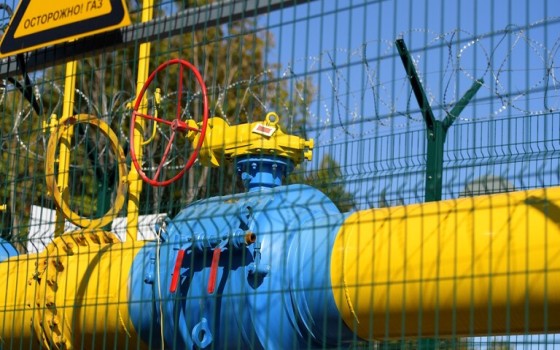
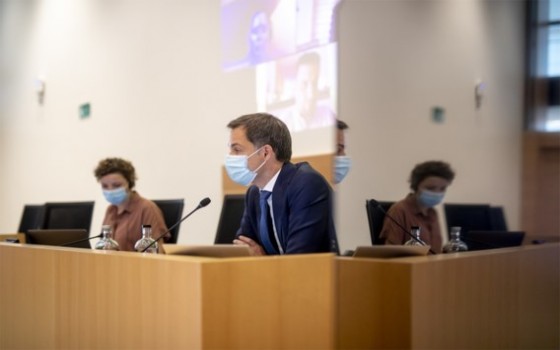
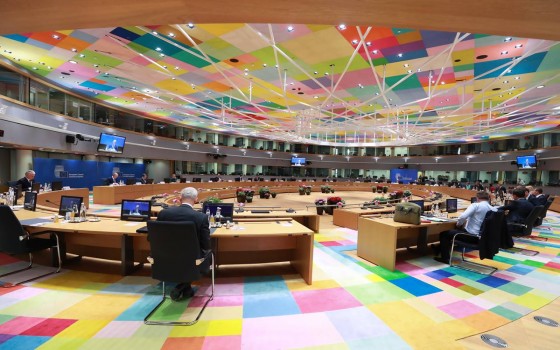
Using emergency stockpiles to combat soaring energy prices is one of the options being considered by EU leaders.

- Europe and Arabs
- Tuesday , 10 March 2026 6:21 AM GMT
Brussels: Europe and the Arabs
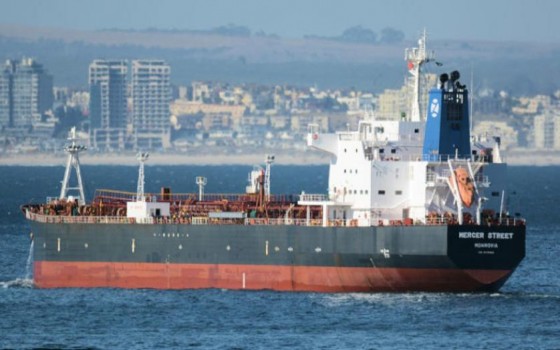
European Union leaders are discussing a range of options to reduce energy prices, which have skyrocketed as a result of Iranian attacks on Gulf oil-exporting countries and their ships. These options include capping prices or releasing emergency oil reserves. According to a report by Playbook, the European edition of Politico, G7 ministers raised the possibility of using emergency reserves on Monday, although French Finance Minister Roland Lescure said, "We are not there yet."
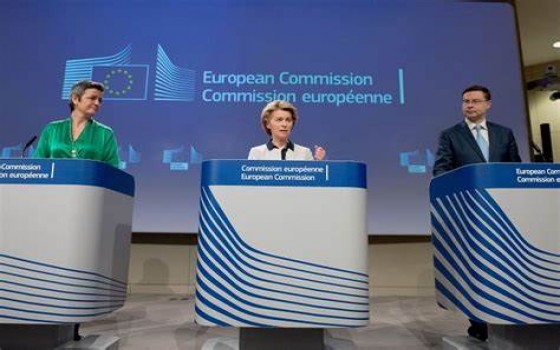
The website added that energy prices will be discussed in a special video conference of leaders on Tuesday, ahead of the European Council meeting on March 19. Leaders will also discuss how to streamline EU bureaucratic procedures, in addition to the ongoing energy crisis, according to two diplomats. It was unclear on Monday evening which leaders had confirmed their participation, but one diplomat said the number was "over ten." Under the headline "No Emergency Powers," the website reported that the European Commission has so far ruled out using emergency powers, which allow EU governments to spend public funds to offset rising energy prices. According to officials, Economy Commissioner Valdis Dombrovskis rejected calls from some countries to trigger the so-called "general exemption clause" during a meeting of finance ministers on Monday. This comes after energy prices jumped to the top of leaders' agendas in a matter of days, amid ongoing disruption to fossil fuel production and exports due to drone and missile attacks across the Middle East. Leaders fear the political fallout. In Hungary, where voters go to the polls early next month, Prime Minister Viktor Orbán has called on Brussels to lift sanctions on Russian energy exports to offset the price surge—a plea the EU has not heeded. This alarming price spike is reminiscent of the situation in late 2012, when energy prices soared across the EU following Russia's full-scale invasion of Ukraine. That triggered a scramble to diversify the EU's energy imports and to answer the question: how long will the energy shock last? Donald Trump told CBS News Monday night that the war with Iran could be over soon, saying, "I think the war is almost over." But the two sides continued to exchange threats throughout the night. Iran's Revolutionary Guard declared it would not allow "a single liter of oil" to be shipped from the Middle East unless the United States and Israel halted their attacks. Trump then threatened via TruthSocial that Iran would be hit "20 times harder" if it closed the Strait of Hormuz. In summary, the Playbook report stated, "The EU is prepared for an uncomfortable repeat of the inflation shock that followed Russia's full-scale invasion of Ukraine. But so far, Brussels' stance seems to be: hold on, we're not there yet." According to Euronews, EU finance ministers met in Brussels on Monday and will continue their discussions on Tuesday to address rising energy prices and anticipated inflation amid ongoing strikes and counter-strikes in the Middle East. French Economy Minister Roland Lescure told reporters on Monday, after chairing a meeting of G7 finance ministers, "We are ready to take the necessary and coordinated steps to stabilize the markets, such as strategic stockpiling." When asked whether the G7 finance ministers had agreed to release the regime's strategic reserves, Lescure said, "We haven't reached that point yet." He added, "What we have agreed upon is to use any necessary tools to stabilize the market, including the potential release of necessary reserves." “Work will continue over the next two days,” the French minister said.
German Vice Chancellor Lars Klingbeil said on Monday that his country was open to releasing oil reserves, but “this is not the right time.” International Energy Agency member countries currently hold more than 1.2 billion barrels of emergency public oil stocks, in addition to another 600 million barrels of industry stocks held under government commitments.
Oil prices have risen sharply since the Israeli and US attacks on Iran on February 28, which killed nearly 40 Iranian leaders, including the country’s Supreme Leader, Ayatollah Ali Khamenei. The conflict has now spread to other countries in the region, including Lebanon and the Gulf states, with Iran retaliating against civilian energy facilities and US bases. Mojtaba Khamenei, the son of the late Ayatollah, was elected as the new Supreme Leader on Monday, providing continuity in the current regime. The price of Brent crude, the international benchmark, rose to $119.50 a barrel. The dollar fell to $107.80 early Monday, but later traded around $107.80 after the Financial Times reported that using strategic oil reserves to respond to the crisis was being considered.
Leading European stock market indices began the week with a sharp sell-off following a steep decline in Asian markets and a surge in oil prices.
The war shows no signs of abating. On March 4, Qatar announced it was suspending its liquefied natural gas production; then, over the weekend, Israel struck Iranian energy infrastructure, while traffic through the critical Strait of Hormuz remained suspended.
Energy prices in Europe will be affected, and inflation is likely to rise in the coming months. However, some EU diplomats and the European Commission point out that the current situation is very different from the energy crisis Europe experienced when the war in Ukraine began in February 2022.
"Thanks to the decisive actions we have taken over the past years, Europe's energy system is now better prepared and more resilient. Our energy sources are more diversified and cleaner. And our coordination is stronger," European Energy Commissioner Dan Jorgensen wrote on the X website on March 6.
The bloc has called for a redoubling of its efforts in the energy transition and continued expansion of clean, renewable, and local energy and energy efficiency, while modernizing Europe's energy infrastructure.
Spanish Economy Minister Carlos Cuirbo told reporters on Monday that the EU should draw inspiration from the 2022 crisis response as it formulates its response to the war. These developments come as Russian President Vladimir Putin announced during a meeting held at the Kremlin on Monday to discuss global oil and gas markets that Moscow is ready to supply Europe with oil and gas, but is "waiting for a signal from the European Union indicating its readiness to abandon immediate political interests in this area."


No Comments Found