

US-German Dispute Over Iran War: Trump Demands Berlin Focus on Internal Problems, Including Immigration and Energy; High Financial Costs for Withdrawing US Troops from Germany, Undermining Washington's Interests, and Confusion at the Pentagon

- Europe and Arabs
- Friday , 1 May 2026 6:55 AM GMT
Brussels-Berlin: Europe and the Arabs
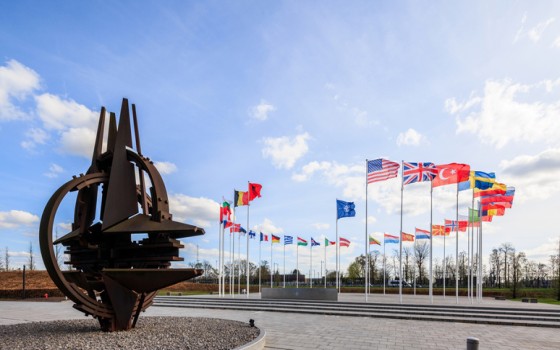
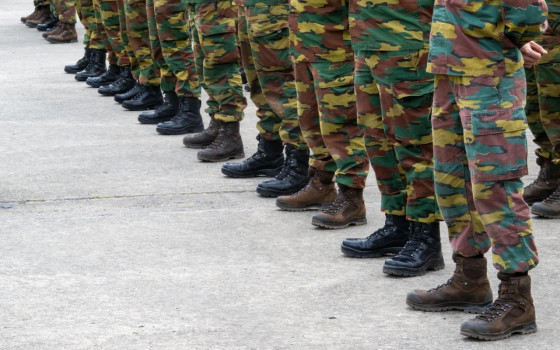
Donald Trump’s threat to review the US military presence in Germany has sparked concern in Europe, but European lawmakers warn that withdrawing US troops could cost billions of dollars, take years, and undermine Washington’s own interests.
Under the headline “Deploying Troops Is the Easy Part,” Playbook, the European edition of Politico, reported: “Such a withdrawal would require long-term planning and would be very costly,” said Marie-Agnes Strack-Zimmermann, chair of the European Parliament’s Defence Committee. “The US relies on this location, particularly with regard to operations in the Middle East.”
However, Trump’s willingness to attack Germany also highlights the limits of Chancellor Friedrich Merz’s risky attempts to appease the US president while defending national interests, as Victor Jacques and Chris Londay report. Trump launched another scathing attack on Merz on Thursday, posting on TruthSocial that the German leader should "spend more time on ending the war with Russia/Ukraine" instead of criticizing U.S. military action against Iran. He then continued his attack from the Oval Office. "He's doing a very bad job," Trump told reporters. "He's got immigration problems and he's got energy problems."
What about Italy and Spain? When a reporter asked Trump if he would also consider withdrawing troops from the NATO allies, Trump replied, "Yes, maybe I would. Why not? Italy hasn't helped us at all. And Spain has been very bad—very bad."
For his part, Merz insists that transatlantic relations are as strong as ever. German Foreign Minister Johann Wadephul said on Thursday that Berlin is "prepared" for a possible U.S. troop withdrawal and is discussing the issue "closely and in a spirit of trust in all NATO bodies." Pentagon perplexed: Trump’s threats to withdraw U.S. troops have not pleased everyone in the American defense establishment, according to this exclusive report by our colleagues in the United States. “The Pentagon wasn’t expecting this, and wasn’t planning any kind of troop reduction,” said a congressional aide familiar with the situation.
Friends with reservations: Across the English Channel, Nigel Farage sees the far-right Alternative for Germany (AfD) party as a populist ally in Europe. But the British Reform Party leader told Mathias Döpfner, CEO of Axel Springer, on his podcast that the party is “a mix of contradictions,” citing its “pro-Putin stance” and opaque economic policies. (Axel Springer owns Politico.) As Playbook reported earlier, the Pentagon is considering withdrawing some of the roughly 40,000 U.S. troops stationed in Germany, just days after Chancellor Friedrich Merz criticized the U.S.-led war in Iran. President Donald Trump announced the news in a post on Truth Social, saying the decision would be made "in the near future."






No Comments Found