

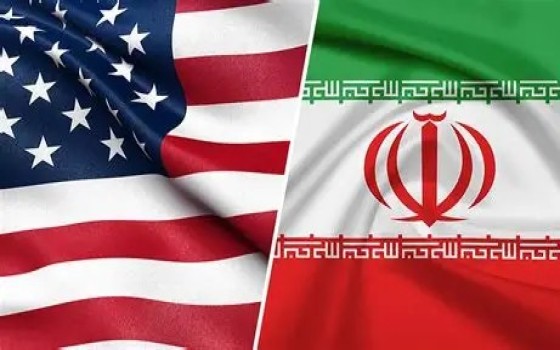
White House: Trump in no hurry to make a final decision on the conflict with Iran and keeps all options on the table... The truce is on the verge of collapse... and the southern Lebanese front is becoming increasingly volatile.

- Europe and Arabs
- Tuesday , 12 May 2026 7:6 AM GMT
Washington – Beirut: Europe and the Arabs
CNN, citing close aides to US President Donald Trump, revealed that he is seriously considering resuming military operations against Iran in the coming period, due to his extreme dissatisfaction with the course of the ongoing negotiations.
The network reported on Monday evening that the latest Iranian proposal, which Trump described as "unacceptable," along with the continued closure of the Strait of Hormuz and the "divisions" within the Iranian leadership, are the most prominent factors pushing towards the option of resuming war. According to the Brussels-based European news network Euronews, Trump told reporters on Sunday that the ceasefire agreement was "on life support" after the latest Iranian response, while simultaneously asserting that he has a "better plan" and emphasizing that "Iran will never have a nuclear weapon."
The report indicated that Washington and Tehran are operating on opposing timelines, with the Iranian leadership believing that time is on its side and that it can withstand the economic pressure. But after a meeting of the US National Security Council on Sunday evening, American officials said the likelihood of a large-scale attack in the short term remains "low," emphasizing that no major change in US policy will occur before Trump's upcoming visit to China.
The meeting revealed a clear division within Trump's inner circle between two factions. The first, a hardliner, seeks to pressure Pakistani mediators to push Iran to take US threats more seriously and considers a resumption of military confrontations a viable option, while expressing doubts about the Pakistanis' ability to convey the level of US displeasure as publicly expressed by Trump.
The other faction advocates giving diplomacy a genuine chance and avoiding any new attack as long as negotiations are ongoing.
In a related development, The Wall Street Journal, citing informed sources, reported significant gaps between Washington and Tehran regarding the future management of the Strait of Hormuz and the nature of the restrictions Iran might accept on its nuclear program.
The newspaper added, quoting US officials, that the Trump administration has achieved "tactical gains" during the conflict but has not yet achieved any clear "strategic objective." For her part, White House Deputy Press Secretary Anna Kelly told Fox News on Monday that President Trump is "in no hurry" to make a final decision regarding the conflict with Iran, emphasizing that he is "keeping all options on the table."
When asked about Trump's upcoming visit to China, Kelly stressed that "the American people can expect more good deals" in the aviation, energy, and agriculture sectors, adding that these deals "will end the policy of offshoring jobs and abandoning American workers."
The ceasefire agreement between the United States and Iran has entered a highly sensitive phase, amid growing fears of its collapse and a return to military confrontation, given the escalating tensions and disagreements between Tehran and Washington over a number of key issues.
The Axios website reported that US President Donald Trump is now leaning toward "some form of military action."
Concurrently with this escalation, the Israeli army continues its military operations in Lebanon, carrying out successive raids on towns and villages in the south, while Hezbollah continues to target Israeli forces that have penetrated southern Lebanese territory. Trump said the ceasefire agreement with Iran was "in the ICU," indicating the fragility of the truce, after Tehran's response to the American proposal to end the war revealed the continued significant differences between the two sides on several key issues.
In a direct Iranian response, Iranian Parliament Speaker Mohammad Bagher Ghalibaf asserted in a post on the "X" platform that "our armed forces are ready to respond and teach a lesson in the face of any aggression."
On the humanitarian front, the head of the UN task force on ensuring the safe passage of fertilizers, Jorge Moreira da Silva, warned on Monday that the world is nearing a "massive humanitarian crisis," noting that "the next few weeks will be crucial to averting a catastrophe that could push an additional 45 million people into famine."
In Lebanon, the president and prime minister asked the US ambassador in Beirut on Monday to exert pressure on Israel to halt its ongoing attacks, despite the ceasefire having taken effect. Lebanese authorities announced yesterday that the death toll from Israeli airstrikes since March 2nd has risen to 2,869, including dozens who have been killed since the ceasefire began on April 17th.



No Comments Found