

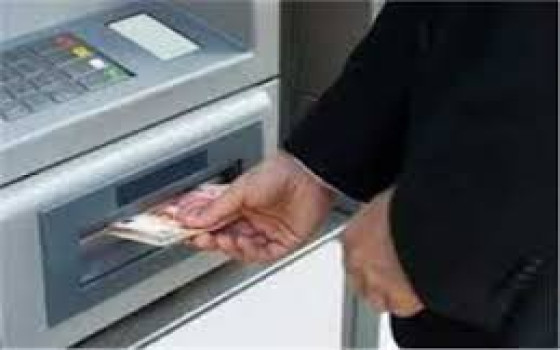
European legislation amending financial transactions, including electronic payments, ATMs, and retail outlets, aims to strengthen fraud prevention and enhance transparency.

- Europe and Arabs
- Thursday , 27 November 2025 7:33 AM GMT
Brussels: Europe and the Arabs
The Council of Member States and the European Parliament reached a provisional political agreement today to strengthen EU legislation relating to payment services.
According to a statement released early Thursday morning, "The new rules aim to better combat payment fraud, enhance fee transparency, and strengthen consumer protection in the payments services sector. This update will also contribute to fostering technological innovation in this area. Today's agreement establishes a new Payment Services Regulation and amends the existing Payment Services Directive (PSD2) to create a modern payments framework. Addressing Payment Fraud and Enhancing Consumer Protection
The proposals aim to establish a comprehensive anti-fraud framework that will help address new and increasingly common forms of payment fraud, such as so-called 'impersonation fraud.' This occurs when fraudsters impersonate a customer's Payment Service Provider (PSP) to gain their trust and deceive them into carrying out fraudulent financial transactions.
Among other provisions, payment service providers will be required to share fraud-related information with each other. Payment account IBANs must also be verified and compared to the corresponding bank account name before any transfer is processed, as is already the case with instant euro transfers. To further protect consumers, payment service providers will be required to..." Payment will be made in the event of their failure to meet their obligations regarding the use of certain safeguards.
Finally, major online platforms and search engines may only advertise financial services to consumers in a given Member State if the provider of those services is properly regulated and licensed within that State.
Enhancing Transparency and Improving Access to Cash
The new rules bring greater transparency to ATM transactions. Service providers will be legally required to inform users of all applicable fees and exchange rates before any transaction is processed.
Similarly, companies that provide card payment services to merchants will have to clearly state the fees they charge for their services. Overall, consumers and businesses in the EU will be better able to understand applicable fees and make more informed choices.
Access to cash will be improved, particularly for residents of rural areas who may not have easy access to ATMs. Under the new framework, retailers will be able to offer cash withdrawal services without requiring a purchase. To prevent misuse, these transactions will require the use of chip and PIN technology. Subject to a maximum withdrawal limit of €150 or its equivalent in local currency.
Finally, merchants must ensure that their usual business name matches the name appearing on customers' bank statements. This will help consumers easily identify charges on their accounts and reduce confusion.
Technological Innovation
The new framework will also help adapt EU payment services to new and innovative payment methods. Innovative service and information providers will be able to offer customers more useful and modern payment services by improving access to bank account information.
Regarding the next steps, the European statement concluded, "The Council and the European Parliament will continue to work on the technical elements of the package before its final adoption by legislators."






No Comments Found