

UN Report: Women Worldwide Enjoy Only 64% of the Legal Rights of Men... Addressing Rape, Forced Marriage, Wage Inequality, and Domestic Violence

- Europe and Arabs
- Thursday , 5 March 2026 3:18 AM GMT
New York: Europe and the Arabs
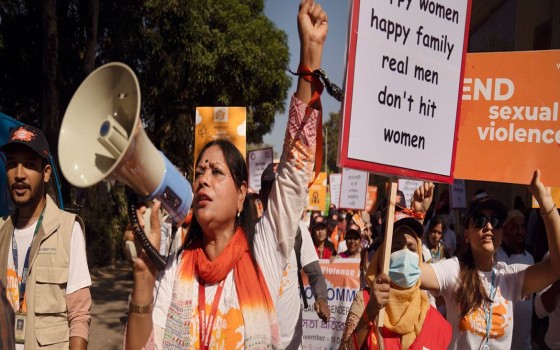
A new UN report reveals that women worldwide enjoy only 64% of the legal rights afforded to men, leaving them vulnerable to discrimination, violence, and exclusion at every stage of their lives.
According to the UN Daily News, a copy of which we received Thursday morning, the UN Secretary-General's report, published Wednesday and titled "Ensuring and Promoting Access to Justice for All Women and Girls," includes the following findings:
In more than half the world's countries (54%), rape is still not defined as consensual, meaning a woman can be raped without the law recognizing it as a crime.
In nearly three out of four countries, a girl can still be forced into marriage under national law.
In 44% of countries, the law does not guarantee equal pay for work of equal value, meaning women are likely to receive less pay for the same work. Escalating Digital Violence
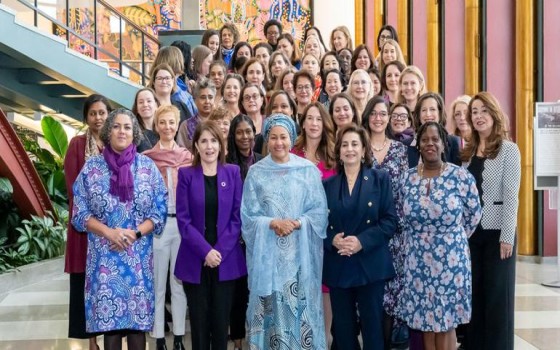
UN Women Executive Director Sima Bahous stated that when women and girls are denied justice, the harm extends far beyond individual cases. Public trust erodes, institutions lose legitimacy, and the rule of law is weakened. She added, "A justice system that fails half the population cannot claim to deliver justice."
The report explained that violations of women's and girls' rights are accelerating, fueled by a global culture of impunity that extends from the courts to cyberspace and conflicts.
It added that as technology trumps the law, women and girls face escalating digital violence in a climate of impunity, where perpetrators are rarely held accountable.
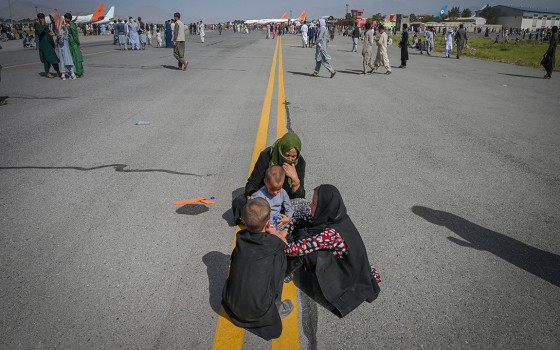
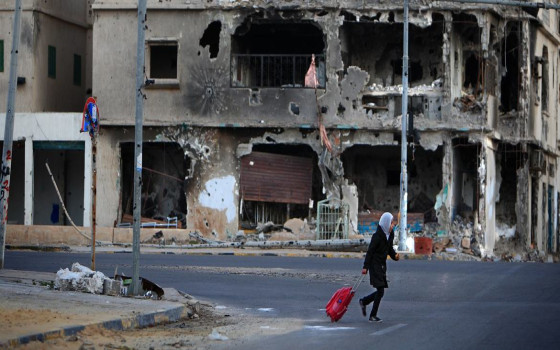
It also noted that in conflicts, rape continues to be used as a weapon of war, with reported cases of sexual violence increasing by 87% in just two years.
Progress is Possible
The report showed that progress is possible, with 87% of countries enacting legislation to combat domestic violence, and more than 40 countries strengthening constitutional protections for women and girls over the past decade. But he stressed that laws alone are not enough, as discriminatory social norms—such as stigma, victim-blaming, fear, and societal pressure—continue to silence survivors and impede justice.
On International Women’s Day, March 8, UN Women calls for urgent and decisive action, including ending impunity, upholding the rule of law, and achieving equality—in law, in practice, and in all aspects of life—for all women and girls.
UN Women said that this year’s 70th session of the Commission on the Status of Women—the UN’s highest international body setting global standards for women’s rights and gender equality—is a once-in-a-generation opportunity to reverse the rollback of women’s rights and ensure justice. Last November, a World Health Organization report stated, “Violence against women remains one of the world’s most persistent and least addressed human rights crises, with very little progress made over two decades. Nearly one in three women – an estimated 840 million globally – have experienced intimate partner or sexual violence in their lifetime, a figure that has remained virtually unchanged since 2000. In the past 12 months alone, 316 million women – 11% of those aged 15 and over – have experienced physical or sexual violence at the hands of an intimate partner.” These statistics were included in a landmark report released by the WHO and UN partners ahead of the International Day for the Elimination of Violence against Women, observed on November 25. The report also coincides with the 16 Days of Activism against Gender-Based Violence, which runs from November 25 to December 10, Human Rights Day. For the first time, the report included national and regional estimates of sexual violence perpetrated by women. Before someone other than their partner. The data shows that 263 million women have experienced sexual violence from someone other than their partner since the age of 15, a figure experts warn is a significant undercount due to stigma and fear.
"Violence against women is one of the oldest and most widespread forms of injustice in human history, yet it is one of the least addressed," said Dr. Tedros Adhanom Ghebreyesus, Director-General of the World Health Organization. "No society can claim to be just, safe, or healthy while half its population lives in fear."
Dr. Tedros emphasized that ending this violence is not just a matter of policy; it is a matter of dignity, equality, and human rights. "Behind every statistic is a woman or girl whose life has been changed forever," he noted. "Empowering women and girls is not an option; it is a prerequisite for peace, development, and health." A safer world for women is a better world for everyone. This report represents the most comprehensive study to date on the prevalence of these two forms of violence against women. It updates the 2018 estimates released in 2021 and analyzes data from 168 countries between 2000 and 2023, revealing a stark picture of a deeply neglected crisis and a severely underfunded response.
No Comments Found