

Trump Calls on Iran to Surrender; New Plans for Potential Military Action; Decision Expected to Withdraw Some US Troops from Germany; Oil Prices Soar Again; Israel Continues Airstrikes on Lebanon

- Europe and Arabs
- Thursday , 30 April 2026 6:25 AM GMT
Brussels – Washington: Europe and the Arabs
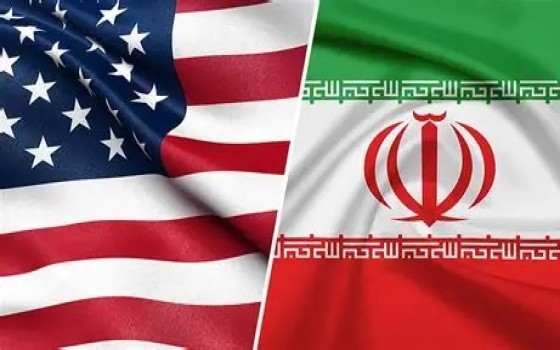
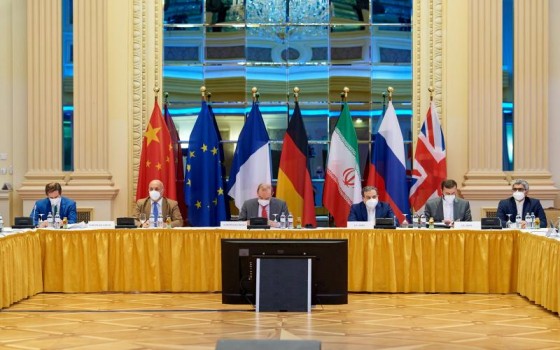
Tensions between the United States and Iran continue to escalate, with no signs of an imminent resumption of talks. This comes as Israeli airstrikes on southern Lebanon persist, amidst the growing economic repercussions of the US embargo on Iranian ports.
US President Donald Trump called on Tehran to "surrender," claiming it had suffered a military defeat. Meanwhile, Axios reported that Trump would be briefed on new plans for potential military action against Iran.
In contrast, Iran's Press TV quoted a security source as saying that the continuation of what it termed "American maritime piracy" would soon be met with an "unprecedented" military response.
In a related development, media reports in Brussels indicate that the Pentagon is considering withdrawing some of the approximately 40,000 US troops stationed in Germany, just days after Chancellor Friedrich Merz criticized the US-led war in Iran. President Donald Trump announced the news in a post on Truth Social late last night, saying the decision would be made "in the near future," according to Playbook, the European edition of Politico.
On the Lebanese front, Israel escalated its operations with airstrikes and artillery shelling targeting areas in the south of the country, amid continued violations of the temporary ceasefire.
Israeli Chief of Staff Eyal Zamir vowed to target Hezbollah positions north of the Litani River, asserting that "any threat, anywhere, against our communities or forces, including beyond the Yellow Line and north of the Litani, will be eliminated."
For his part, Lebanese President Joseph Aoun called on Israel to fully implement the ceasefire as a prelude to negotiations, noting that Lebanon "is waiting for the United States to set a date for the start of these negotiations." Economically, oil prices rose again on Thursday after the White House hinted at the possibility of a long-term blockade of the Strait of Hormuz. The price of Brent crude increased by 5 percent, nearing $125 a barrel.
The price of Brent crude, the international benchmark, reached $124.67 a barrel, a 5.6 percent increase, at approximately 4:10 GMT, according to the Brussels-based European news network Euronews. Euronews had previously reported that, as part of its "economic wrath" campaign, Washington escalated its measures against Tehran. The US Treasury Department announced new sanctions against 35 entities and individuals, accusing them of operating within what it described as the Islamic Republic's "secret financial network."
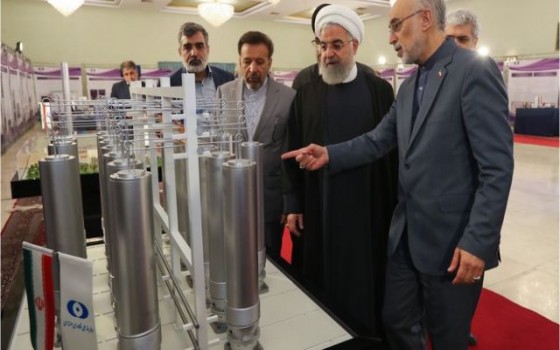
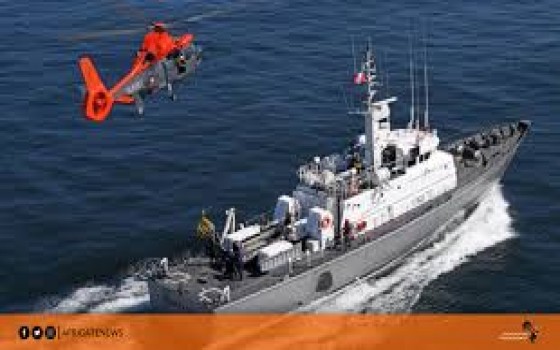
Treasury Secretary Scott Bisent stated that "Iran's parallel banking system is a vital financial lifeline for its armed forces, enabling activities that disrupt global trade and fuel violence in the Middle East." He warned that "any entity dealing with these networks will be subject to severe consequences." This comes amid a broader escalation, with reports revealing that President Donald Trump has directed preparations for a long-term blockade of Tehran, while insisting that Iran suspend uranium enrichment for at least 20 years. The US Central Command announced the seizure of several ships and the diversion of 39 others to ensure compliance with the blockade, with at least three vessels still being held.
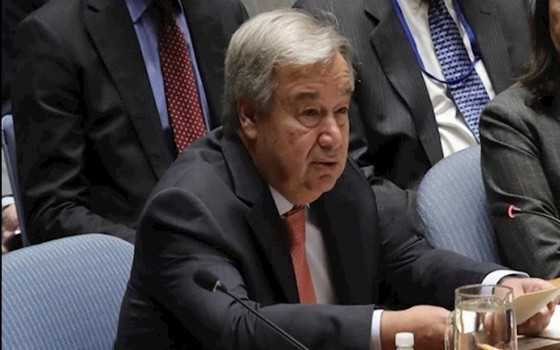
In response, Tehran escalated on two fronts. Militarily, the political deputy of the Islamic Revolutionary Guard Corps Navy vowed to respond to any new attack with "unexpected surprises and capabilities," warning against targeting US ships in the event of "miscalculation" and affirming the readiness of the "resistance front" to engage should the conflict expand. Diplomatically, Iran lodged a complaint in a letter to the UN Secretary-General regarding what it termed "US maritime piracy," demanding the immediate release of its ships and property and holding Washington responsible for the repercussions on regional and global security.

No Comments Found