

Global Food Prices Rise for Third Consecutive Month, Especially Meat, Cereals, and Vegetable Oils

- Europe and Arabs
- Saturday , 9 May 2026 8:35 AM GMT
Brussels – Europe and the Arabs
The Food and Agriculture Organization of the United Nations (FAO) reported that its benchmark global food price index rose in April for the third consecutive month, amid rising energy costs and disruptions caused by conflict in the Near East.
The FAO Food Price Index – which tracks monthly changes in international prices of a basket of globally traded food commodities – rose 1.6 percent compared to March and 2.0 percent compared to a year ago, according to the UN Daily News.
However, the FAO's chief economist, Máximo Torero, emphasized that global agricultural and food systems continue to demonstrate resilience despite the disruptions related to the crisis in the Strait of Hormuz.
He explained: "Cereal prices have risen only slightly so far, supported by relatively strong stocks and adequate supplies from previous seasons. Vegetable oil prices, however, are facing sharper increases, driven largely by higher oil prices, which are increasing demand for biofuels and putting additional pressure on vegetable oil markets." According to the report released on Friday, the FAO Vegetable Oil Price Index rose by 5.9% compared to March, reaching its highest level since July 2022.
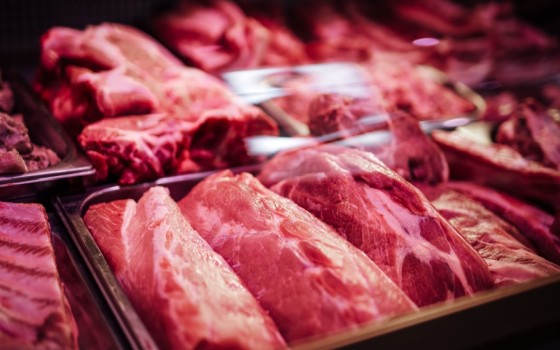
The Meat Price Index also rose last month by 1.2% compared to March and by 6.4% compared to a year ago, setting a new record high. In contrast, the Dairy Price Index fell by 1.1% compared to March. The Sugar Price Index also declined by 4.7% compared to the same month and by 21.2% compared to a year ago.
Uncertainty surrounds cereal markets.
The Cereal Price Index rose by 0.8% compared to March and by 0.4% compared to a year ago. The FAO stated that while cereal markets remain well supplied, uncertainty looms due to the de facto closure of the Strait of Hormuz, which has led to higher input costs, particularly energy and fertilizers, coupled with a relative decline in wheat prices. The organization also noted expectations that the area planted with wheat is likely to decrease in 2026, as farmers shift towards growing crops that consume less fertilizer.










No Comments Found