

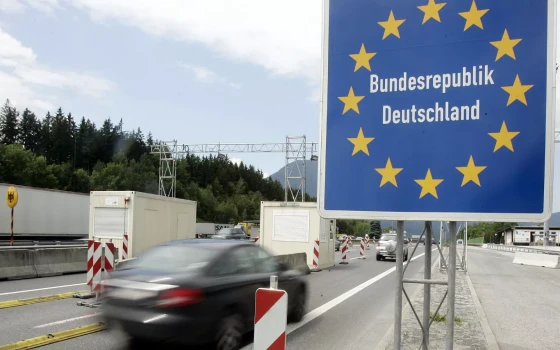
الحكومة الهولندية تعتزم إنهاء الضوابط و المراقبة على حدودها .. جرى رفض دخول 600 أجنبي وتوقيف 270 شخصاً فقط خلال 15 شهرا.

- Europe and Arabs
- السبت , 9 مايو 2026 8:14 ص GMT
لاهاي ـ نور الد ين العمرانى
تعتزم الحكومة الهولندية التوقف بعد الصيف عن إجراء الضوابط على الحدود الداخلية للبلاد. كانت الحكومة السابقة قد بدأت في تطبيقها على أمل ردع الكثير من "المهاجرين غير النظاميين". أما الفريق الحكومي الجديد فيعتقد أن المراقبة الحدودية يمكن أن تكون أكثر فعالية.
أعلن وزير شؤون اللجوء والهجرة "فان دن برينك"، الجمعة، أنه يرغب في إنهاء الضوابط على الحدود الداخلية "في موعد أقصاه 30 سبتمبر/أيلول". وكانت هذه الضوابط موضع انتقاد من البلديات الهولندية الحدودية منذ تطبيقها في ديسمبر/كانون الأول 2024.
يشكو رؤساء البلديات المعنيون من الأعباء التي تفرضها هذه الإجراءات على قدرات الشرطة المحلية، وكذلك من الازدحام المروري وحركة المرور الالتفافية الناتجة عن الضوابط. كما يعرب رجال الأعمال في المنطقة عن استيائهم.
علاوةً على ذلك، هناك شكوك حول فعالية هذه الإجراءات. فخلال الفترة من ديسمبر/كانون الأول 2024 حتى مارس/آذار 2026، جرى رفض دخول 600 أجنبي إلى هولندا نتيجة الضوابط، وتم توقيف 270 شخصاً.
لذلك، يغير فان دن برينك مساره ويعود إلى "نظام المراقبة المعتاد" الذي كانت هولندا تطبقه دائماً في مناطقها الحدودية منذ أن ألغى الاتحاد الأوروبي الضوابط على الحدود الداخلية قبل عقود: حيث تتبع الشرطة العسكرية (الدرك) المركبات المشبوهة وتخضعها لتفتيش موجّه على مسافة ما من الحدود.
غير أنه يخفف القواعد المنظمة لهذه الضوابط لتصبح قابلة للاستخدام بشكل أكثر تكراراً، ويقول الوزير: "بينما توجد حالياً حدود قصوى صارمة لعدد الضوابط النظامية، فإن القواعد الجديدة تتيح إمكانيات أوسع".
ومع ذلك، يبقى السؤال حول مدى استفادة البلديات الواقعة في شرق البلاد من إلغاء الضوابط الهولندية، طالما استمرت الضوابط الألمانية - الأكثر كثافة - قائمة. فهذه الأخيرة تتسبب في ازدحامات مرورية طويلة وأحياناً في حوادث: فقد وقعت عدة حوادث دهس مميتة على الطريقين السريعين A1 وA12، حيث فوجئ سائقو السيارات بطوابير المرور واصطدموا بها.
أرسل رؤساء بلديات زيفينار ومونتفيرلاند، بالتعاون مع نظيرهم في مدينة إيميريش آم راين الألمانية، الشهر الماضي، رسالة عاجلة إلى وزارة الداخلية الألمانية. وحثوا فيها على إجراء الضوابط في مناطق أبعد داخل الأراضي الألمانية، وأشاروا إلى التأثير على جودة الحياة في بلدياتهم.
على الرغم من أن قاضياً ألمانياً قضى مؤخراً بأن هذه الضوابط تتعارض مع اتفاقية شنغن للاتحاد الأوروبي - التي تنظم حرية تنقل الأشخاص - إلا أن الحكومة الألمانية لم تبدِ حتى الآن أي نية لوقفها.








لا يوجد تعليقات