

European Summit, Ministerial Meetings, and International Conferences Awaited to Discuss the Transition from Fossil Fuels to Renewable Energy

- Europe and Arabs
- Friday , 17 April 2026 6:4 AM GMT
Brussels: Europe and the Arabs
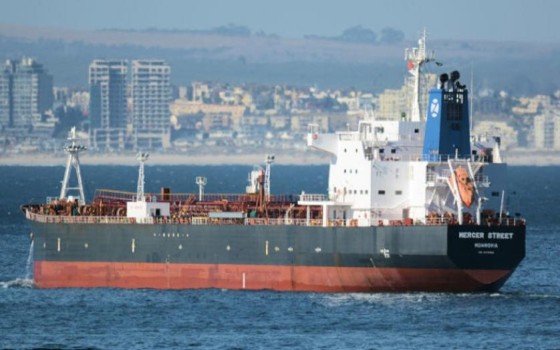
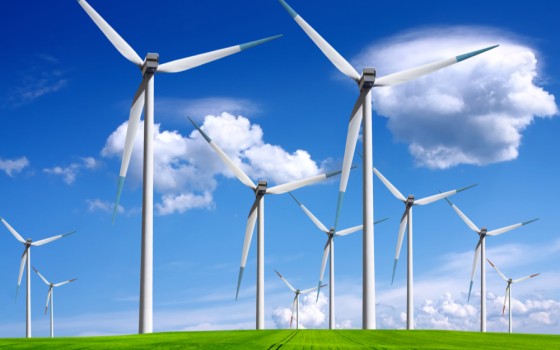
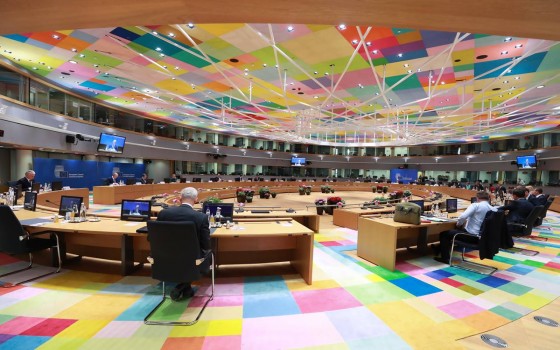
Just hours after European Council President António Costa returned from a tour of Gulf states, including the UAE, Saudi Arabia, and Qatar, to discuss the latest developments in the region, the prospects for resuming navigation in the Strait of Hormuz, and the implications for global energy markets, a report by the Brussels-based European news network Euronews stated that European leaders may rewrite history during crucial meetings to be held in the coming weeks. This issue will likely be one of the points on the agenda at a European summit in Cyprus next week. Amidst immense geopolitical tensions, governments are meeting to discuss how to transition away from fossil fuels, the source of the current energy shock, and towards abundant, low-cost, and reliable renewable energy.
First, EU foreign ministers will meet at their council in Strasbourg on April 21. The following day, 40 countries will convene for the 17th Petersberg Climate Dialogue. Immediately following, the first international conference for a just transition away from fossil fuels will be held in Santa Marta, Colombia, from April 24 to 29.
With fossil fuel markets in turmoil, energy shortages worldwide, and extreme weather claiming lives, the stakes could not be higher.
Many experts say now is the time for a “climate reset.”
“The fossil fuel-driven war being waged by the US and Israel against Iran violates international law, harms innocent civilians, and drags the region into a wider conflict, while simultaneously exacerbating the global cost-of-living crisis,” says Tasnim Esop of the Climate Action Network.
“Fossil fuels are playing a central role in this war… This moment of widespread geopolitical tensions and economic uncertainty underscores that the transition away from fossil fuels is not just a climate policy issue, but a matter of economic stability, security, and human well-being.” A Reset in Climate Diplomacy
While the annual COP conferences are often seen as the arena for multilateral climate action, the outcome of recent meetings has disappointed many who felt they fell short of addressing the climate and biodiversity crises.
“COP30 left many Europeans disappointed, but it also underscored the need for a reset in climate diplomacy,” says Linda Kalcher, executive director of the think tank Strategic Perspectives. “In a more complex geopolitical context, we need a better structure that focuses on economic cooperation and partnerships, ensuring that more countries benefit from the global transition to clean energy, supported by trade instruments, climate finance, and strategic investments.”
The first International Conference for a Just Transition from Fossil Fuels in Santa Marta was announced during COP30 in Belém and received support from many of the 85 countries that called for a roadmap to move away from fossil fuel dependency. The conference aims to agree on "practical, actionable solutions" that subsequent meetings can develop and implement, enabling governments worldwide to adopt them.
"The real question for governments is not just what they should move away from, but what they should move to," says Bruce Douglas of the Global Renewable Energy Alliance. "The answer is electrified energy systems powered by affordable, readily available renewable energy. This way, we reduce the risk of every disruption to fossil fuel supplies becoming a global energy and economic shock."
Working Together to Build a More Secure, Renewable Future
The Santa Marta conference is the largest of the three gatherings, with 50 countries and more than 2,000 organizations and local communities expected to participate.
At this meeting, the "Coalition of Implementers" will work to accelerate the practical implementation of the transition by bringing together consuming and producing governments, the private sector, scientists, labor unions, and civil society representatives.
The conference's outcomes will serve as a springboard for implementing national plans to move away from fossil fuels. Jennifer Morgan, a former German state minister and special envoy for international climate action, is calling on governments to set aside their differences to create a better future for their citizens.
“Governments have two choices: either to cling to a scarcity-based system or to work together to build a more secure, renewable energy future,” she says. “The Coalition of Implementers meeting in Santa Marta is ready to accelerate this transition by taking concrete steps to establish a more stable and resilient energy and climate system. This is the safest and smartest option for their economies.”
What can the Santa Marta conference produce?
The conference will conclude with a “Chair’s Summary,” which organizers say will capture policy signals and priority actions to be incorporated into preparations for COP31.
But some argue that final statements are less important than what happens when governments have the opportunity to meet face-to-face. Marta Torres-Gonfaus of the Institute for Sustainable Development and International Relations research center explains: "The value of these major international meetings lies less in their final statements and more in the space and momentum they generate, through the mobilization of actors, parallel discussions, and exchanges that take place on the sidelines."



No Comments Found