

Brussels Conference Against Racism: A European Union of Equality, Dignity, and Justice for All Citizens, Regardless of Skin Color or Ethnic Origin

- Europe and Arabs
- Tuesday , 17 March 2026 3:47 AM GMT
Brussels: Europe and the Arabs
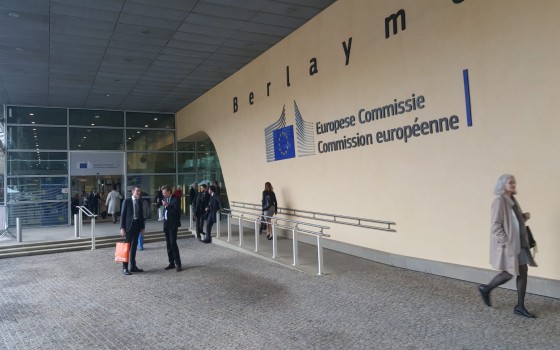
The European Commission, in partnership with the Council of the European Union and with the participation of members of the European Parliament, is hosting its first European Conference Against Racism in Brussels today, Tuesday. This is one of the most important European events in the field of combating racism. According to a statement issued by the Commission's headquarters in the Belgian capital, this one-day event in Brussels aims to discuss practical measures to confront racism in Europe. The Commission has presented its Anti-Racism Strategy for the period 2026-2030, which includes practical measures to ensure sustainable change and combat all forms of racism in everyday life. The strategy emphasizes the Commission's intention to achieve a Union characterized by equality, dignity, and justice for all citizens, regardless of their skin color or ethnic origin.
The conference includes sessions and panel discussions on topics including the need for coordinated action at the global and local levels; how racism hinders equality in social, economic, and health conditions and the prosperity of Europe; and how to eliminate racism in the digital world, particularly in the use of artificial intelligence. The conference will bring together representatives from EU institutions, member states, international organizations, civil society, academia, NGOs, and grassroots organizations such as UNESCO and the European Alliance of Cities. The conference will be organized by the European Union Agency for Fundamental Rights (EUANFRA), the EU Agency for Fundamental Rights. Commissioner for Equality, Haja Habib, will open the conference, highlighting the EU's unwavering commitment to combating racism in all its forms, including racism against Black people, against Roma, antisemitism, Asian racism, and Islamophobia.
The conference is being held ahead of the International Day for the Elimination of Racial Discrimination on March 21, as part of events commemorating the victims of racial discrimination.
Over the past five years, the EU has made significant progress in tackling racism, particularly by addressing the barriers caused by racial discrimination and integrating anti-racism efforts into all relevant EU policies. Despite this progress, the latest Eurobarometer survey on discrimination in Europe reveals that nearly two-thirds of citizens still perceive racism as a widespread problem in their countries.
The new strategy aims to combat racism in all its forms by: ensuring the full implementation and enforcement of EU anti-discrimination laws; continuing to address barriers and promote inclusion in education, employment, healthcare, and housing; and building partnerships to combat racism. Racism at all levels of society.
Key actions in the strategy:
The new strategy will strengthen the enforcement of existing anti-discrimination laws. The implementation of the 2000 Racial Equality Directive will be assessed to identify gaps and consider stricter penalties where necessary. The framework for combating hate speech and hate crimes will be strengthened, particularly by empowering individuals and ensuring victims' rights through existing EU legislation, such as the Victims' Rights Directive, and by considering the harmonization of online hate crime definitions, while fully respecting freedom of expression. The strategy will support Member States equality bodies in carrying out their vital tasks by ensuring that standards are met.
Efforts to combat racism in everyday life will be strengthened to encompass all aspects of society. An EU-wide equality campaign will be launched to raise awareness and engage citizens across the EU to promote inclusion. Ongoing initiatives will contribute to ensuring equal opportunities in key areas such as education, employment, housing, and healthcare. For example, the Commission will support Member States in eliminating bias in healthcare practices and improving access to employment. A study will also be conducted to assess housing risks and solutions for the most vulnerable. This strategy will also contribute to improving the collection, analysis, and use of data. Regarding equality, in line with national legislative frameworks, to better understand and address discrimination.
The strategy emphasizes the need for cooperation at all levels of society. International organizations, European institutions and agencies, Member States, candidate countries, local and regional authorities, equality bodies, the private sector, and civil society must take effective action. The Coordinator for Combating Racism will continue to promote constructive dialogue and interaction between EU institutions, Member States, civil society, and academia. Furthermore, within the framework of the next Multiannual Financial Framework, the Commission has proposed increased support for anti-racist civil society organizations under the Democracy, Citizens, Equality, Rights, and Values pillar of the AgoraEU initiative.
Enforcement and Application of AI Tools
The EU Anti-Racism Strategy 2026-2030 aims to address all forms of racism, including racism against Black people, antisemitism, anti-Asianism, and Islamophobia. To this end, the Commission will support Member States in implementing their national policies, measures, and plans, and will take action where anti-discrimination laws are not respected. The implementation of the Racial Equality Directive will be assessed in the fourth report, to be published in 2020. 2026. The report will focus specifically on the enforcement and application of AI tools where they may lead to algorithmic discrimination. The EU's anti-racism strategy is largely aligned with other existing and future EU equality strategies. Implementation of its measures will be monitored, and a mid-term review report will follow.






No Comments Found